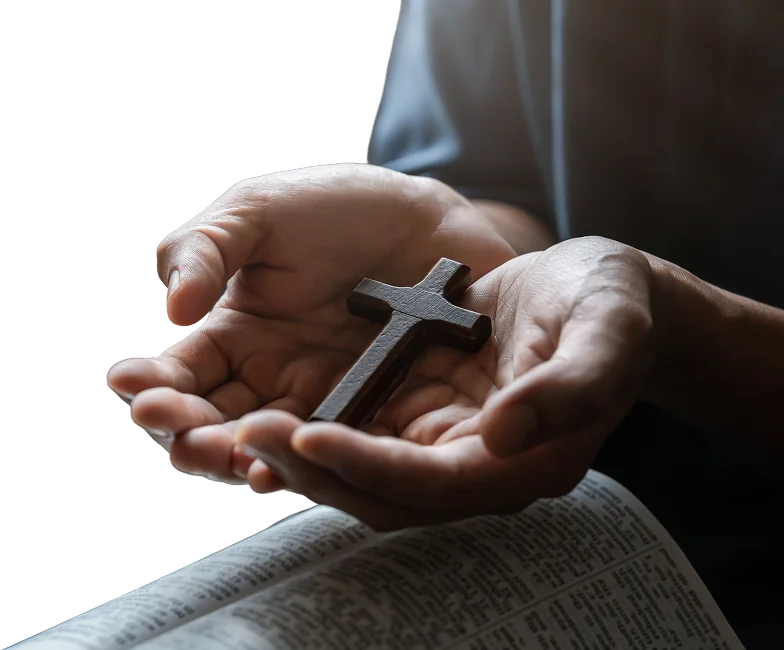
Our church’s history is a testimony of God’s faithfulness across generations. Established to proclaim the Gospel and serve the community, it has grown from humble beginnings into a thriving spiritual home. Through worship, outreach, and discipleship, we’ve built a strong foundation of faith, continually guided by God’s Word and committed to His mission for the future.
The Christian Reformed Church in Sri Lanka traces its origins to the 17th century, when Dutch missionaries brought the Reformed faith to the island during colonial times. Rooted in the Protestant Reformation and the teachings of John Calvin, the church was first established to serve Dutch settlers but soon extended its mission to local communities.
Over the centuries, it grew into an independent denomination, firmly anchored in its Reformed theological roots. Beyond worship, the church has made lasting contributions to education and social development, shaping both faith and society in meaningful ways.
On a quiet morning in October 1642, within the walls of Galle Fort, a small group gathered for worship. They met not in a cathedral, nor even in a permanent chapel, Instead, the service was held in a
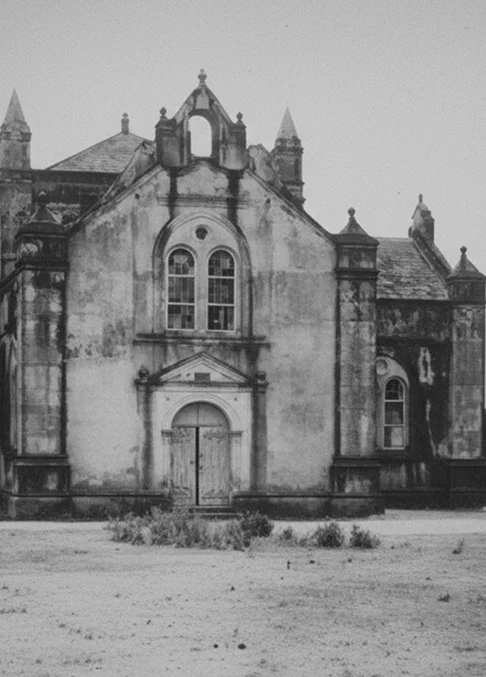
On a quiet morning in October 1642, within the walls of Galle Fort, a small group gathered for worship. They met not in a cathedral, nor even in a permanent chapel, Instead, the service was held in a temporary government building.Yet that day would change the course of faith in Sri Lanka forever. Led by Rev. Antonius Hornhovius, this simple gathering marked the first official Protestant service on the island.
The Dutch Reformed Church in Ceylon was born, and with it began a journey that would endure for nearly four centuries. But this story does not begin in Galle. It begins years earlier, with whispers of a faraway land.
The Arrival of the Dutch
But to understand how that moment came to be, we must look back to the beginning of the seventeenth century. On July 29, 1600, a Dutch ship named Leuuw returned to Europe with word of “Zeilon”—a lush
But to understand how that moment came to be, we must look back to the beginning of the seventeenth century. On July 29, 1600, a Dutch ship named Leuuw returned to Europe with word of “Zeilon”—a lush island famed for cinnamon, elephants, and exotic birds. Soon after, in 1602, Admiral Joris van Spilbergen anchored at Batticaloa. That same year, the Dutch signed a treaty with King Wimaladharmasuriya I of Kandy, granting them rights to build fortresses and promising military aid against the Portuguese. Though trade was their initial aim, faith soon followed commerce, and within decades, the Dutch East India Company was entwined with the Reformed Church.
Through the 1630s and 1640s, Dutch forces seized Portuguese strongholds. They seized Batticaloa in 1638, Trincomalee in 1639, Negombo in 1640, and the prized port of Galle in 1640. For sixteen years, Galle served as the Dutch capital. Finally, after a long siege, when after a long siege, Colombo finally surrendered. Two years later, in 1658, Jaffna fell, bringing much of the island’s coastline under Dutch control. With the land secured, the Dutch Reformed faith was declared the official religion of the colony, and the church began to flourish.
Building Faith and Foundations
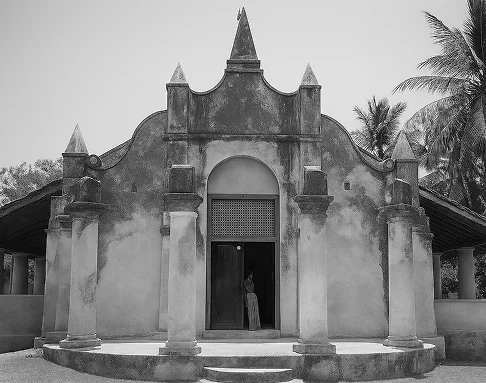
In the earliest years, worship was conducted wherever space allowed—military barracks, homes of Dutch officials, and makeshift halls. Yet the desire to build enduring places of worship soon followed. By 1706, the first purpose-built church, the Kruys Kerk in Jaffna, rose in the distinctive shape of a Greek Cross.This church not only symbolized the permanence of Reformed Christianity on the island but also became a spiritual center under the dedicated leadership of Rev. Phillipus Bauldeus who upheld its mission and ministry.That same year, another church was built in Matara, a structure that would withstand the centuries and even survive the devastation of the 2004 tsunami.
Education and literature became the lifeblood of this mission. The Colombo Seminary was founded in 1685 to train ministers, followed by Jaffna Seminary in 1709. Pastors translated doctrine into local languages: Rev. W. Konyn produced the Sinhala Heidelberg Catechism in 1724, while Rev. Wetzelius published a Sinhala Compendium of Religious Truths in 1725.
A turning point came in 1736, when Governor Gustaaf Willem van Imhoff introduced Sri Lanka’s first printing press with Sinhala type. By 1739, the four Gospels were printed in Sinhala; in 1740, Matthew’s Gospel appeared in Tamil. By 1758, the entire New Testament was available in Tamil, and by 1772, liturgical prayers were published in Sinhala. Printing became a powerful force for spreading Scripture, doctrine, and education.
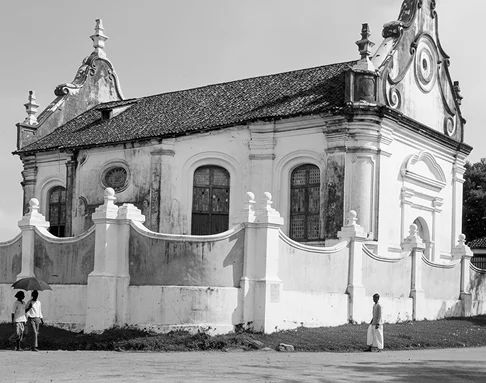
Meanwhile, churches of stone and coral rose across the island. In 1740, the foundation stone was laid for the Batticaloa Church. Nine years later, in 1749, construction began on Wolvendaal Church in Colombo, a magnificent Doric-style structure designed to outlast empires. In 1752, work began on the grand church in Galle, completed by 1755, with its tall walls and European design blended with local materials. On March 6, 1767, Wolvendaal was dedicated, and to this day, it remains one of the most iconic colonial churches in Asia.
Shifting Powers, Enduring Faith
As the eighteenth century ended, winds of change swept across Ceylon. In 1796, following the wars of Europe, the Dutch surrendered Colombo to the British. On February 15, the formal handover took place, and with it ended 150 years of Dutch rule. Many Dutch ministers were deported to Batavia, leaving
As the eighteenth century ended, winds of change swept across Ceylon. In 1796, following the wars of Europe, the Dutch surrendered Colombo to the British. On February 15, the formal handover took place, and with it ended 150 years of Dutch rule. Many Dutch ministers were deported to Batavia, leaving churches suddenly leaderless. For a time, worship faltered, buildings decayed, and schools suffered.
Yet faith did not vanish. Rev. J.D. Palm Sr., appointed to Wolvendaal in 1812, carried on the ministry. By 1813, most Dutch clergy had departed, but a faithful remnant kept services alive. The church adjusted, slowly adopting English in worship after 1837, when Dutch was dropped as the official language of administration.
Revival in the 19th Century
Even in these lean years, seeds of renewal were sown. On February 6, 1847, Rev. J.D. Palm published The Dutch Reformed Church in Ceylon, recording its struggles and hopes. That same year, the first Sunday School began at Wolvendaal, planting the roots of a ministry that would shape countless young lives. Soon after, Sunday Schools spread to Pettah (1856), Maligakande (1867), Bambalapitiya (1887), and Wellawatte (1908).
By 1863, the Presbytery of Ceylon was formed in Kandy, strengthening governance. Ordinance No. 12 in 1896 formally incorporated Wolvendaal, Bambalapitiya, Regent Street, and Dehiwela churches. Worship was enriched when the Scottish Hymnal was introduced in 1899. Though no longer under Dutch rule, the church was learning to find its Sri Lankan voice.
A New Century Dawns
The dawn of the twentieth century brought fresh expansion. In 1911, the church launched The Herald, its first regular publication. On December 22, 1915, the Regent Street Church was dedicated, becoming a central hub for Colombo’s community. Soon after, Sunday School was launched in 1916, and by 1918, Regent Street had its own school.
Growth continued. On June 2, 1927, the Dehiwela Church was dedicated. By 1931, Arethusa College opened in Wellawatte, marking the church’s commitment to education. The mid-century years brought celebration: the bicentenary of Wolvendaal in 1949, the dedication of Nugegoda Church in 1950, and the opening of Wellawatte Church in 1952. On June 8, 1954, the Seminary and Bible Institute was established, finally giving the church its own center for training ministers and pastors.
Seasons of Trial and Resilience
The decades that followed were marked by both trials and endurance. In 1960, the Dutch Reformed Church Youth Choir was formed, giving a new voice to worship. In 1962, the government took control of church-run schools, a heavy blow to its educational work. Yet the church pressed on with ministry, establishing the Children’s Home of Peace in Balaam in 1981, serving orphaned and vulnerable children. The darkest moment came in 1983, when ethnic riots tore through Sri Lanka. Consistory buildings were destroyed, and congregations scattered. Yet the church’s motto, Spes est Regerminat “For there is hope of a tree, if it be cut down, it will sprout again”—proved true. The church endured, scarred but not silenced.
When the 350th anniversary came in 1992, congregations across the island gathered in thanksgiving. A commemorative postage stamp was issued, marking the Dutch Reformed Church’s place as Sri Lanka’s oldest Protestant denomination. The years that followed were ones of rebuilding and renewal. In 2000, Wolvendaal celebrated its 250th anniversary, while in 2005, Galle marked 250 years since its completion.
A New Identity
The new millennium brought a new name. In 2007, the Dutch Reformed Church became the Christian Reformed Church of Sri Lanka. No longer only tied to colonial heritage, the church embraced its identity as Sri Lankan while remaining firmly rooted in the Reformed tradition.
Milestones continued to mark the journey. In 2008, Dehiwela Church celebrated its centenary. In 2010, the long-forgotten Kalpitiya Church, built in the 1700s, was restored and rededicated after three centuries. In 2011, Regent Street Church was restored, and Wolvendaal’s roof repaired, preserving them as living monuments of faith.
By 2015, Regent Street marked its centenary, and in 2016, its Sunday School celebrated 100 years. Finally, on October 6, 2017, congregations from across the island gathered in Galle to celebrate 375 years of unbroken ministry—a remarkable testament to God’s enduring faithfulness.
Today and Tomorrow
Today, the Christian Reformed Church of Sri Lanka serves through 20 congregations and two mission points. With over 25 ministers, pastors, and workers, it continues to proclaim the gospel in Sinhala, Tamil, and English. Its work extends beyond worship: preschools nurture young children, youth ministries engage new generations, English and computer classes equip communities, and outreach programs care for the vulnerable.
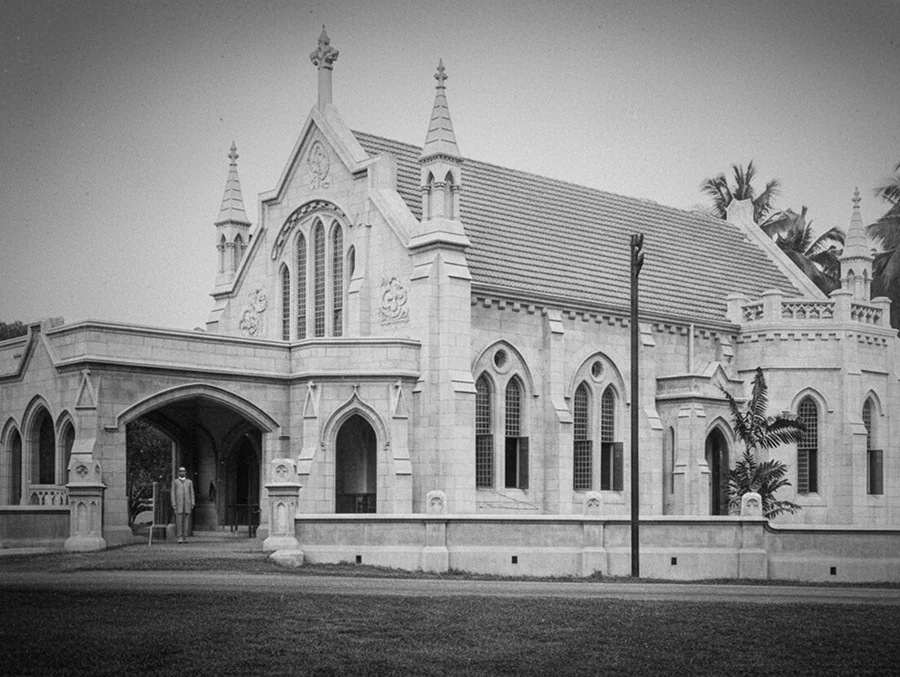
The great churches of the past—Galle, Matara, Kalpitiya, Wolvendaal, Bambalapitiya, Dehiwela, Wellawatte, Kahatagasdigiliya, Makandura, Maligakanda and Regent Street—still stand, not only as architectural landmarks but as living sanctuaries where worship continues. They are symbols of a faith that has weathered colonial conquest, political upheaval, cultural change, and modern challenges. Alongside these historic sites, newer congregations have flourished in Kohuwela, Debathgama, Dikoya, Kadugannawa, Kegalle, Rakwana, Rukmalgama, Ulapone, and Wattala, welcoming more worshippers into the fold and extending the church’s reach into new communities.
Through it all, the church’s story has been one of endurance and grace. From the first humble service in Galle in 1642 to the vibrant congregations of today, the Christian Reformed Church of Sri Lanka remains a living testament to God’s promise—that even when cut down, there is always hope of new growth. And so, nearly four centuries on, the story continues to be written—in worship, in education, in service, and in every life touched by this enduring church.
Our church events bring the community together through worship, fellowship, and service. These gatherings inspire faith, foster connections, and provide opportunities to grow spiritually while celebrating God’s love and grace.
The Christian Reformed Church, formerly known as the Dutch Reformed Church, joyfully celebrated the 270th anniversary of its historic church building, the Groote Kerk. Completed in August 1755, the Groote Kerk stands as a monument of deep faith, rich heritage, and enduring community. With its towering presence and centuries-old walls, it has witnessed countless moments of worship, hope, and grace.
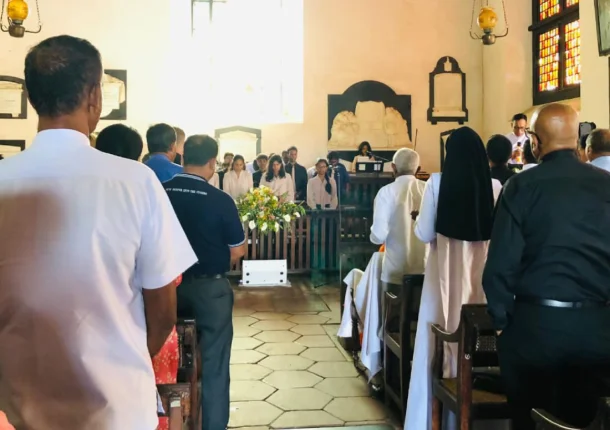
To mark this significant milestone, a special thanksgiving service was held, bringing together generations of worshippers. Songs of praise and heartfelt prayers echoed through the sanctuary, honoring the past and looking forward with gratitude to God’s continued guidance and blessing.
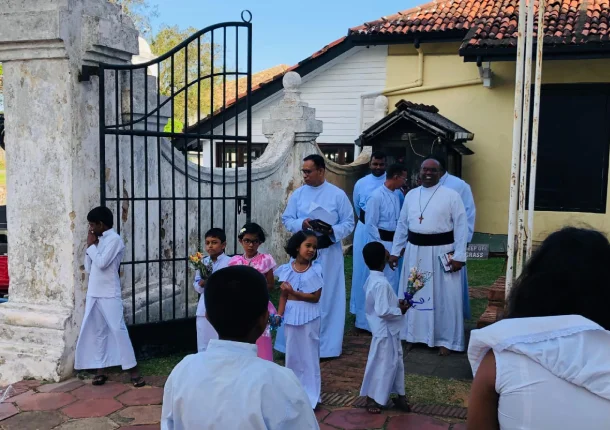
The Christian Reformed Church, formerly known as the Dutch Reformed Church, joyfully celebrated the 270th anniversary of its historic church building, the Groote Kerk. Completed in August 1755, the Groote Kerk stands as a monument of deep faith, rich heritage, and enduring community. With its towering presence and centuries-old walls, it has witnessed countless moments of worship, hope, and grace.
To mark this significant milestone, a special thanksgiving service was held, bringing together generations of worshippers. Songs of praise and heartfelt prayers echoed through the sanctuary, honoring the past and looking forward with gratitude to God’s continued guidance and blessing.
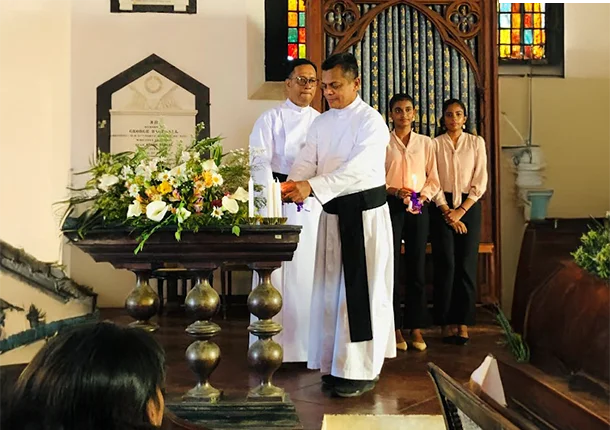
The Christian Reformed Church, formerly known as the Dutch Reformed Church, joyfully celebrated the 270th anniversary of its historic church building, the Groote Kerk. Completed in August 1755, the Groote Kerk stands as a monument of deep faith, rich heritage, and enduring community. With its towering presence and centuries-old walls, it has witnessed countless moments of worship, hope, and grace.
To mark this significant milestone, a special thanksgiving service was held, bringing together generations of worshippers. Songs of praise and heartfelt prayers echoed through the sanctuary, honoring the past and looking forward with gratitude to God’s continued guidance and blessing.
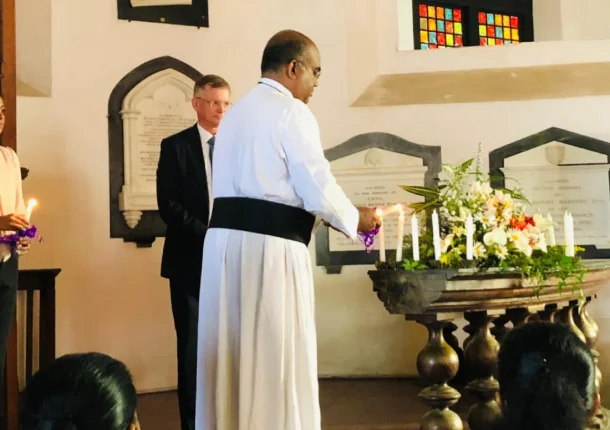
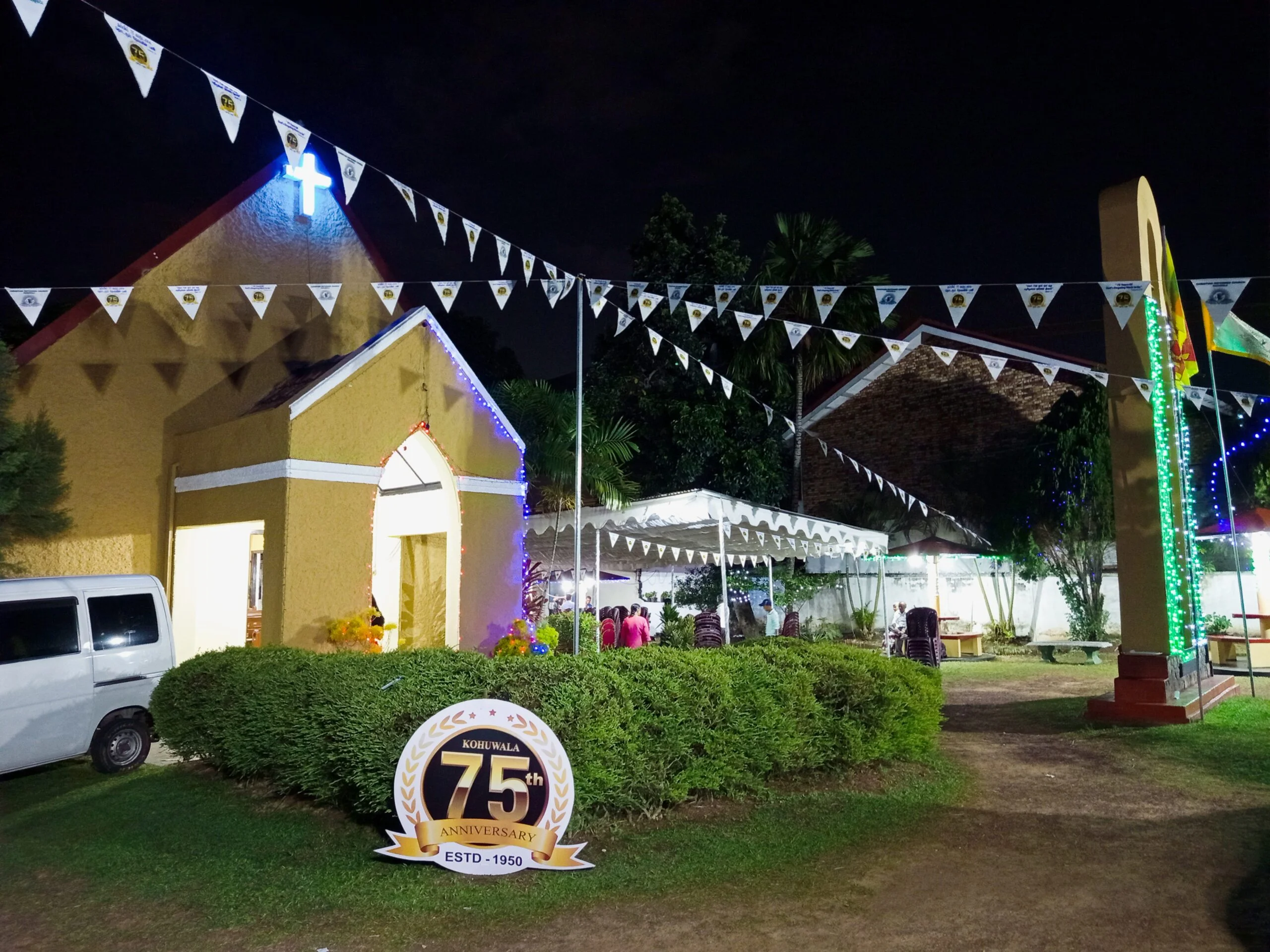
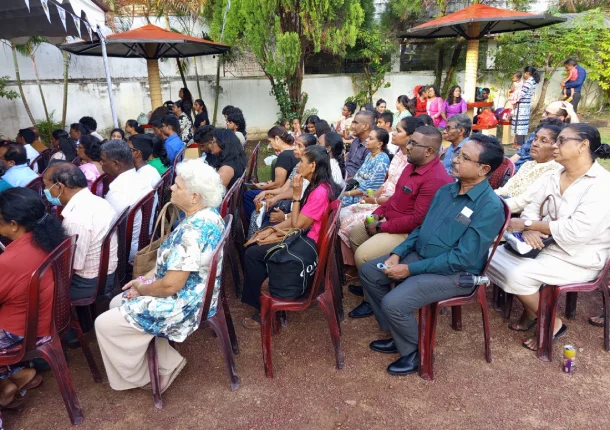
The Christian Reformed Church, Kohuwala, marks its 75th anniversary in 2025, celebrating a journey that began in 1950. Established to serve the growing community in the area, the church has grown into a place of worship, fellowship, and service. To commemorate this milestone, a special thanksgiving service was held, offering gratitude to God for His faithfulness through the years. The celebration concluded with a fellowship dinner, bringing together members from all congregations, symbolizing unity, gratitude, and renewed commitment to continue serving God and the community.
Over the decades, the church has faithfully conducted services in Sinhala, Tamil, and English, providing a spiritual home for diverse congregations. Beyond worship, the church has been active in education, youth and children’s ministries, and community outreach. This milestone not only honors the legacy of its founders but also reaffirms the church’s mission to serve God and society in the years ahead.
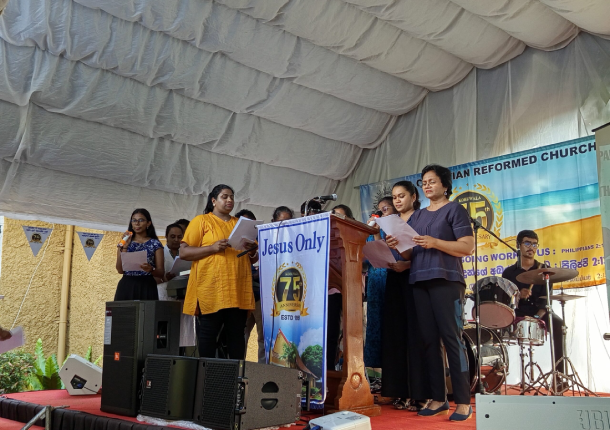
The Christian Reformed Church, Kohuwala, marks its 75th anniversary in 2025, celebrating a journey that began in 1950. Established to serve the growing community in the area, the church has grown into a place of worship, fellowship, and service. To commemorate this milestone, a special thanksgiving service was held, offering gratitude to God for His faithfulness through the years. The celebration concluded with a fellowship dinner, bringing together members from all congregations, symbolizing unity, gratitude, and renewed commitment to continue serving God and the community.
Over the decades, the church has faithfully conducted services in Sinhala, Tamil, and English, providing a spiritual home for diverse congregations. Beyond worship, the church has been active in education, youth and children’s ministries, and community outreach. This milestone not only honors the legacy of its founders but also reaffirms the church’s mission to serve God and society in the years ahead.
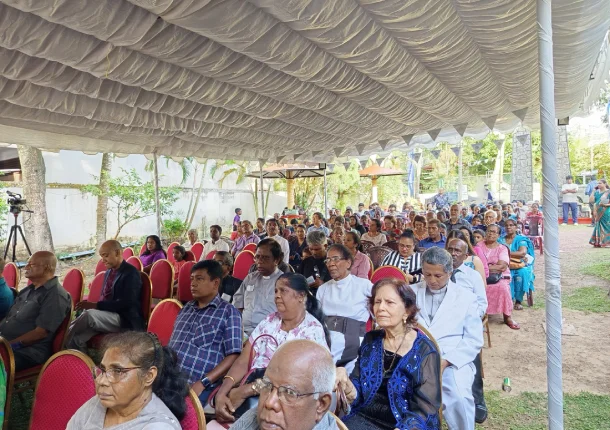
The Christian Reformed Church, Kohuwala, marks its 75th anniversary in 2025, celebrating a journey that began in 1950. Established to serve the growing community in the area, the church has grown into a place of worship, fellowship, and service. To commemorate this milestone, a special thanksgiving service was held, offering gratitude to God for His faithfulness through the years. The celebration concluded with a fellowship dinner, bringing together members from all congregations, symbolizing unity, gratitude, and renewed commitment to continue serving God and the community.
Over the decades, the church has faithfully conducted services in Sinhala, Tamil, and English, providing a spiritual home for diverse congregations. Beyond worship, the church has been active in education, youth and children’s ministries, and community outreach. This milestone not only honors the legacy of its founders but also reaffirms the church’s mission to serve God and society in the years ahead.