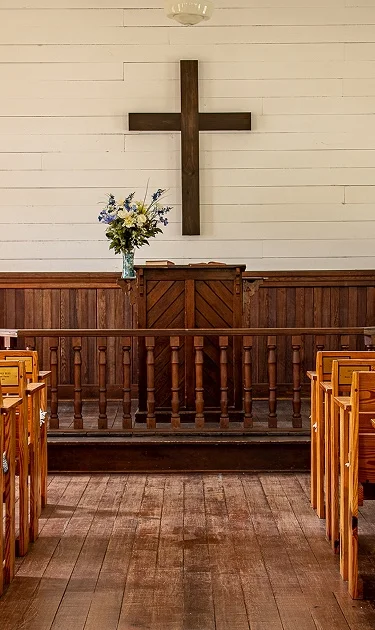
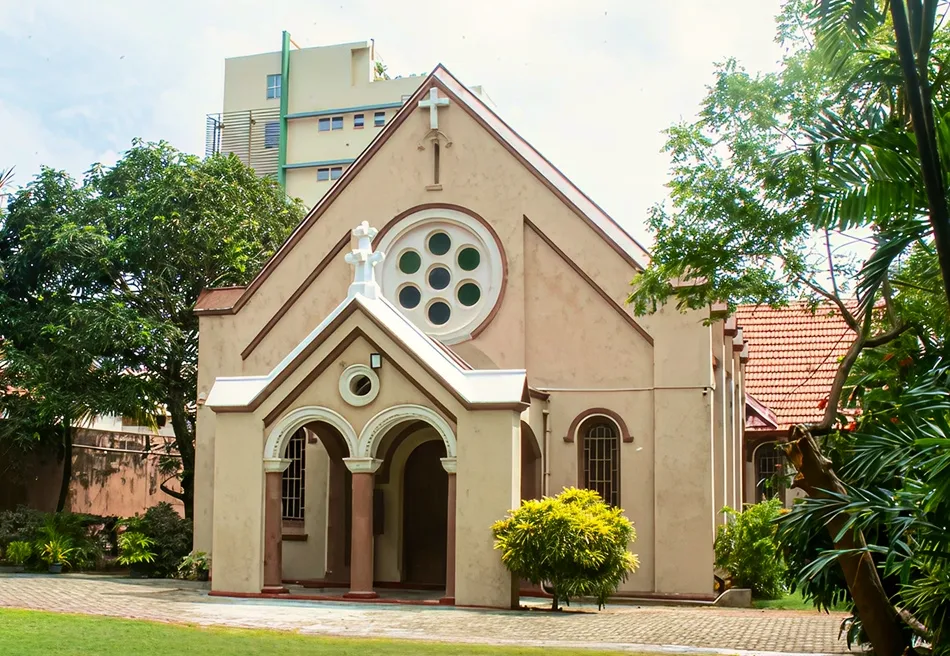
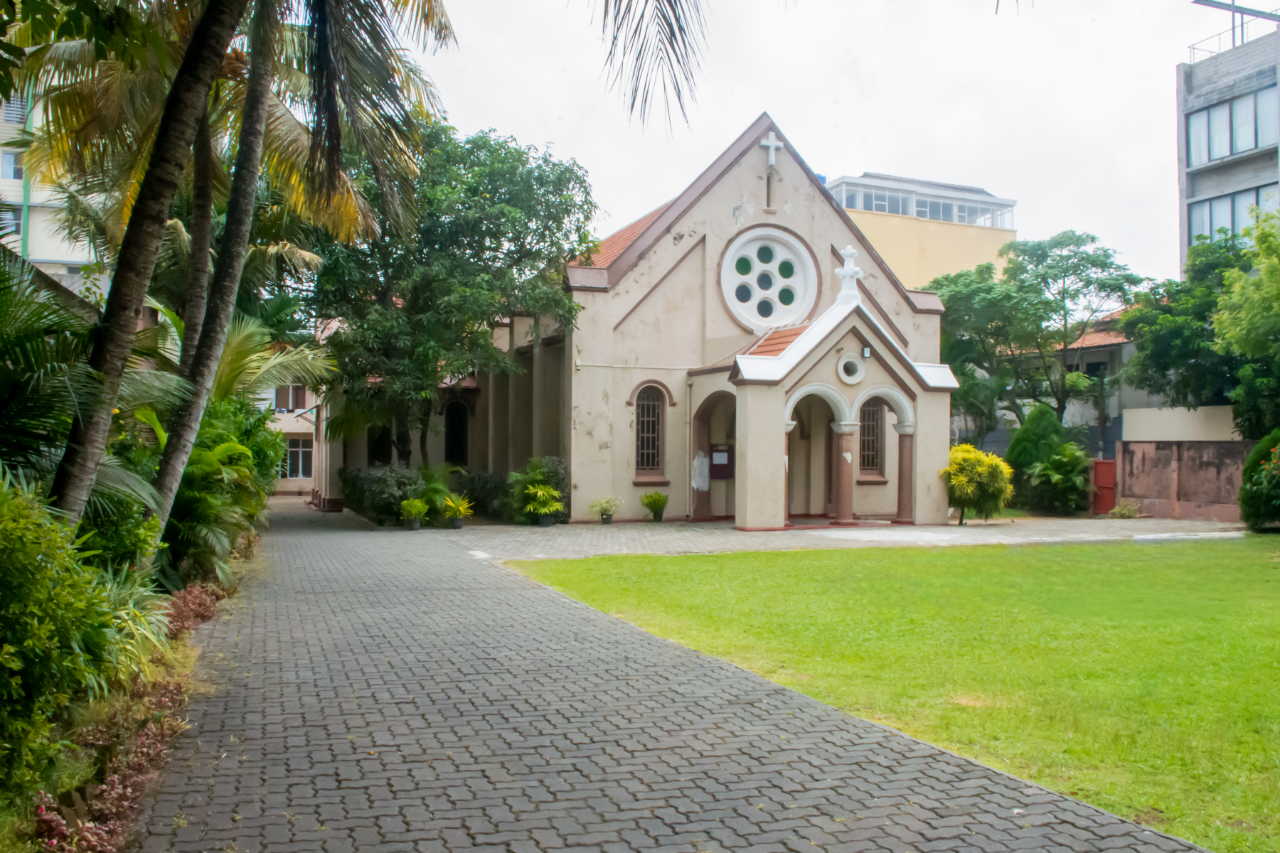
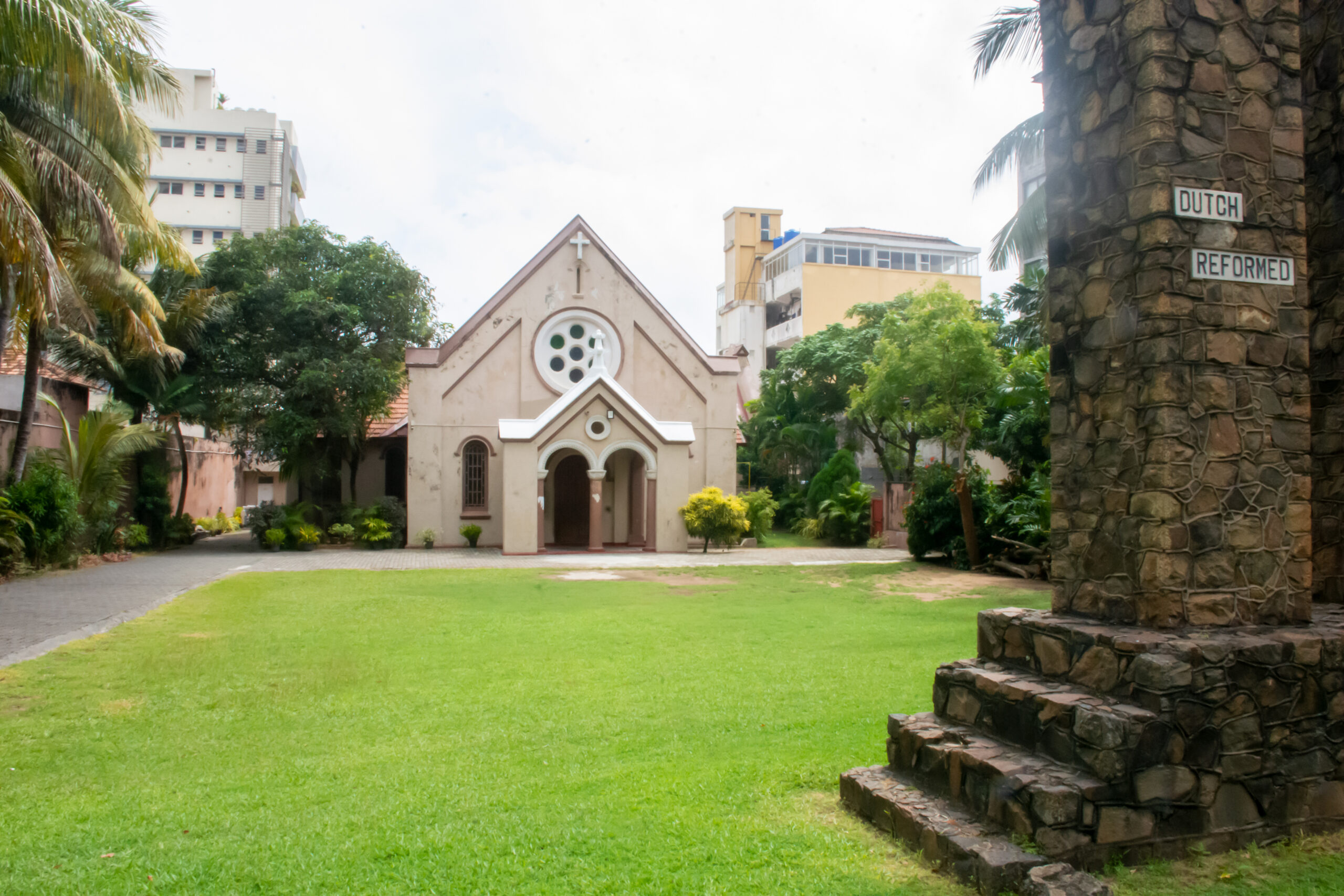
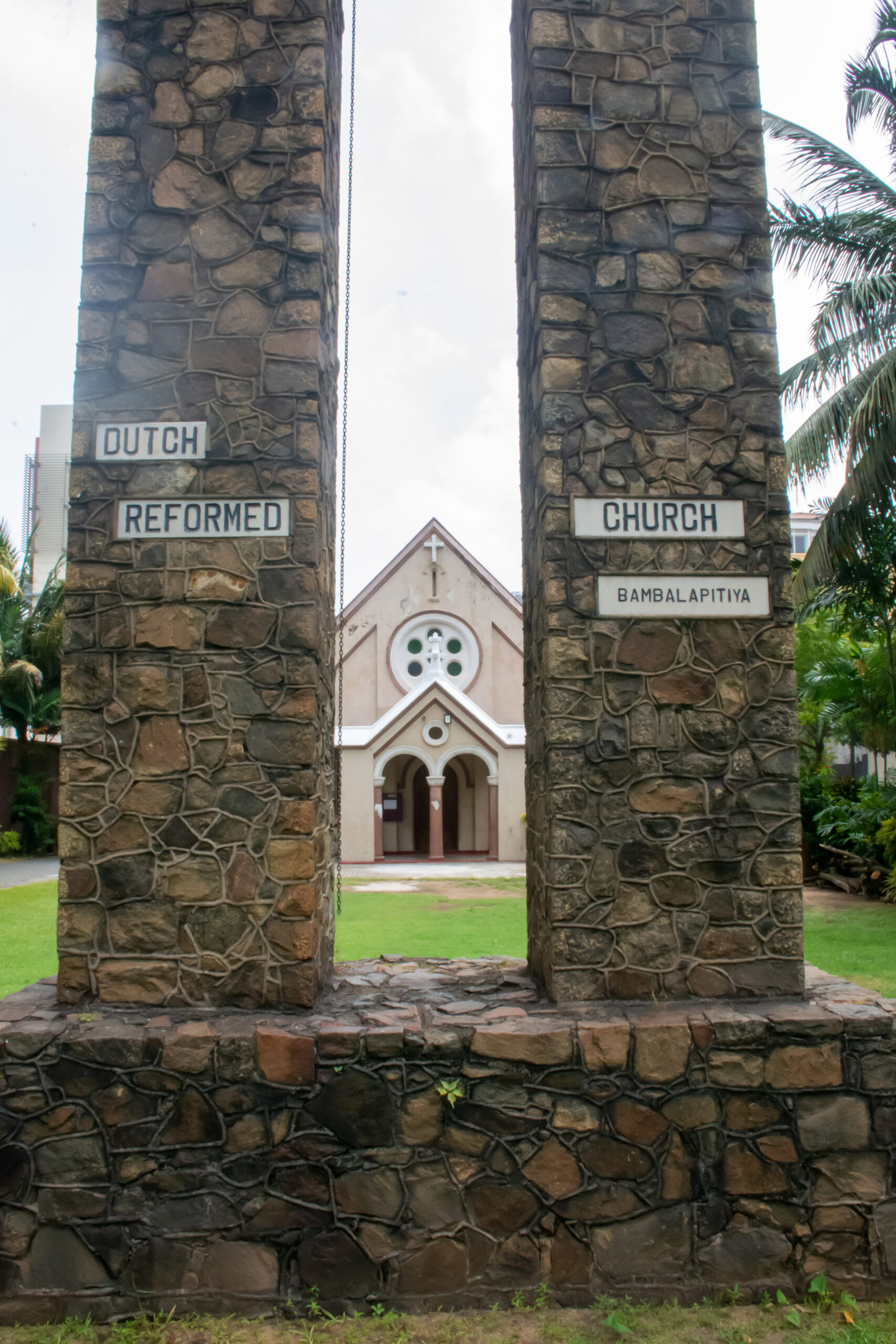
In the heart of Colombo’s bustling suburb of Bambalapitiya, rises a sanctuary that tells a story of resilience, faith, and enduring heritage. Though its walls were first raised in 1853, its roots stretch far deeper, tracing back to the mid-1600s when the Dutch carried the Reformed faith to Sri Lanka. By the 19th century, families had begun moving southwards from Wolvendaal, carried by trade and growth. Many settled in Bambalapitiya, yet their hearts longed for a sanctuary nearer than Wolvendaal. The call for a church became pressing, and in December 1886, Mr. C. L. Ferdinands, a District Judge and devout member of the faith, wrote to the Wolvendaal Consistory. His words rang with urgency: “A crisis has arrived in the history of our Church… the Consistory should grapple with it in a liberal spirit.” His plea stirred hearts, and soon the vision of Bambalapitiya Church was born.
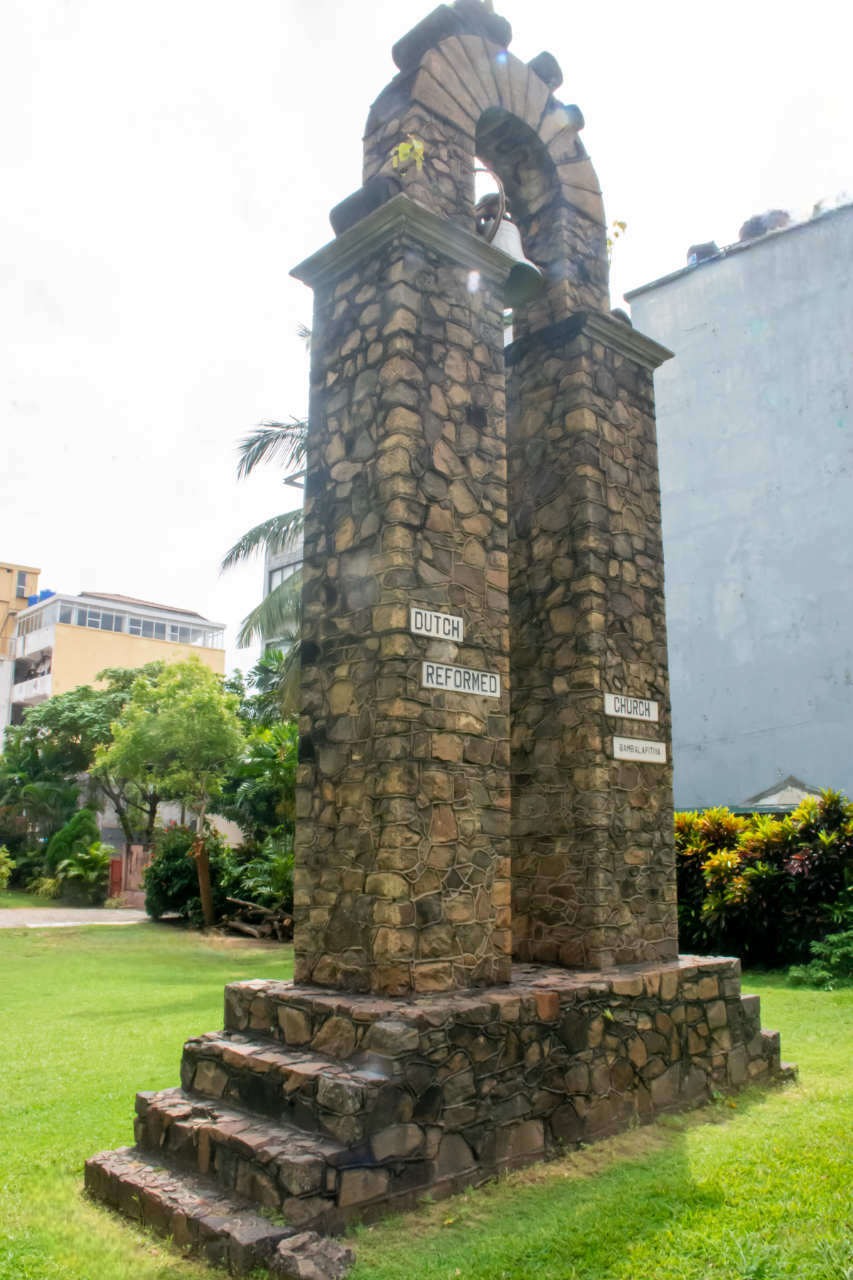
Worship could not wait for walls to rise. In January 1889, services began at “The Lodge,” filling each Sunday morning with prayer and song. That same year, through the efforts of Justin de Zilwa and H. E. Thomasz, a small Sunday School was formed with six children meeting at “Berkley House.” The seed of the future congregation had been planted, nurtured by faith and community. The cornerstone was laid in February 1889 by Miss Susan Lindsay, and though construction was fraught with delays, the dream persisted. By November, the building was completed, and on 15th December 1889, the church was dedicated with joy and thanksgiving. Its bell tower, echoing the style of Kayman’s Gate in Pettah, soon became a beacon, its toll mingling with the crash of waves to call fishermen, traders, and families to prayer.
In the years that followed, the church grew both in strength and in service. The first Lord’s Supper was celebrated in June 1890, and a Manse was raised to house ministers. By 1906, with numbers overflowing, a larger church seating 400 was built, testifying to the congregation’s growth. Yet, the church’s mission was never confined to worship alone. In 1911, under strong leadership, a Guild was formed to serve the poor and needy ensuring the church’s heartbeat strongly in service to the community.
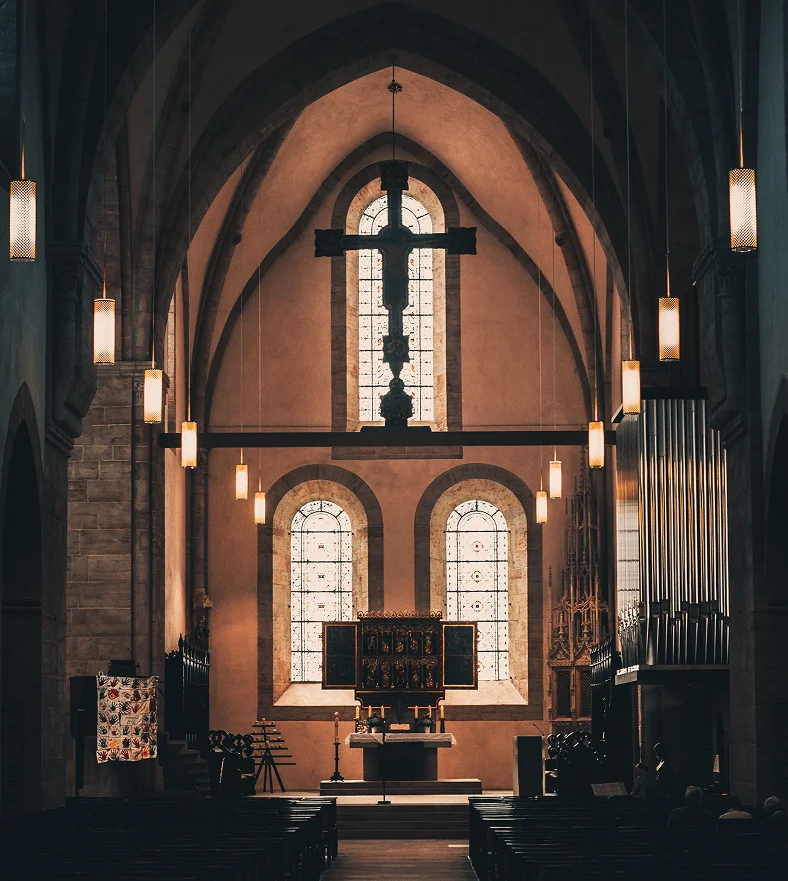
Music soon became central to its life. An organ was first installed in 1924, filling the sanctuary with grandeur at the Annual Carol Service. A new German organ, with over 1,000 pipes, followed in 1955, its dedication marking a proud chapter in the church’s musical journey. In later decades, new systems of giving were introduced, such as the Budget Envelope System in 1981, modernizing church collections. Yet even amidst change, the memory of jubilees past lingered. Both the Silver Jubilee and the Golden Jubilee had fallen in the years of World Wars, curbing celebrations. But their significance was not lost.
Thus, from a plea penned in 1886 to a thriving church community more than a century later, the story of Bambalapitiya Church is one of persistence, devotion, and faith. Born out of the need of scattered families, raised by the sacrifices of men and women who gave generously, and sustained through trials and triumphs alike, it has stood as a witness to God’s faithfulness. Its walls echo with worship, its halls with the laughter of children, and its history with the courage of generations who refused to let the flame of faith die out. Hence, the Bambalapitiya Church remains more than bricks and mortar. It is a testament—a living monument—to the resilience of a people and the steadfast love of their God.