The story of the Christian Reformed Church in Galle, better known as the Groote Kerk, begins not with quiet hymns but with the clash of empires and the echo of cannon fire. Galle, long before it became a Dutch stronghold, was a coveted port known to Arabs, Romans, and Persians. The Portuguese had enclosed the peninsula with a palisade in the 16th century, building their fort as both a retreat and a defense. But on the 12th of March 1640, after heavy fighting, the Dutch East India Company captured the fort from the Portuguese, securing Galle as their prized possession. The victory was marked by a Service of Thanksgiving led by Predikant Nicholas Molineaus. It was the beginning of a Reformed Christian presence that would endure for centuries.
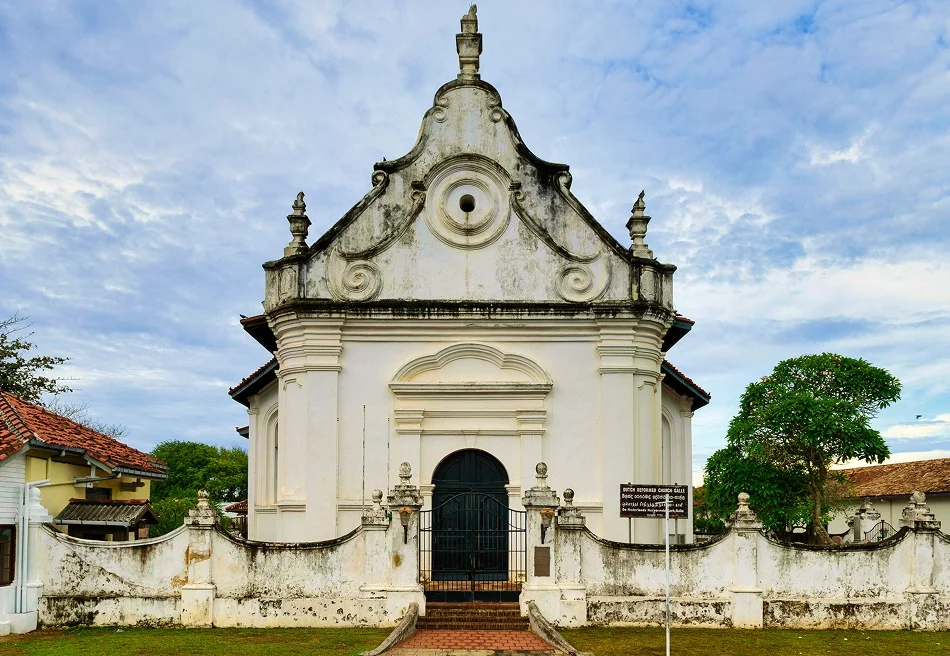
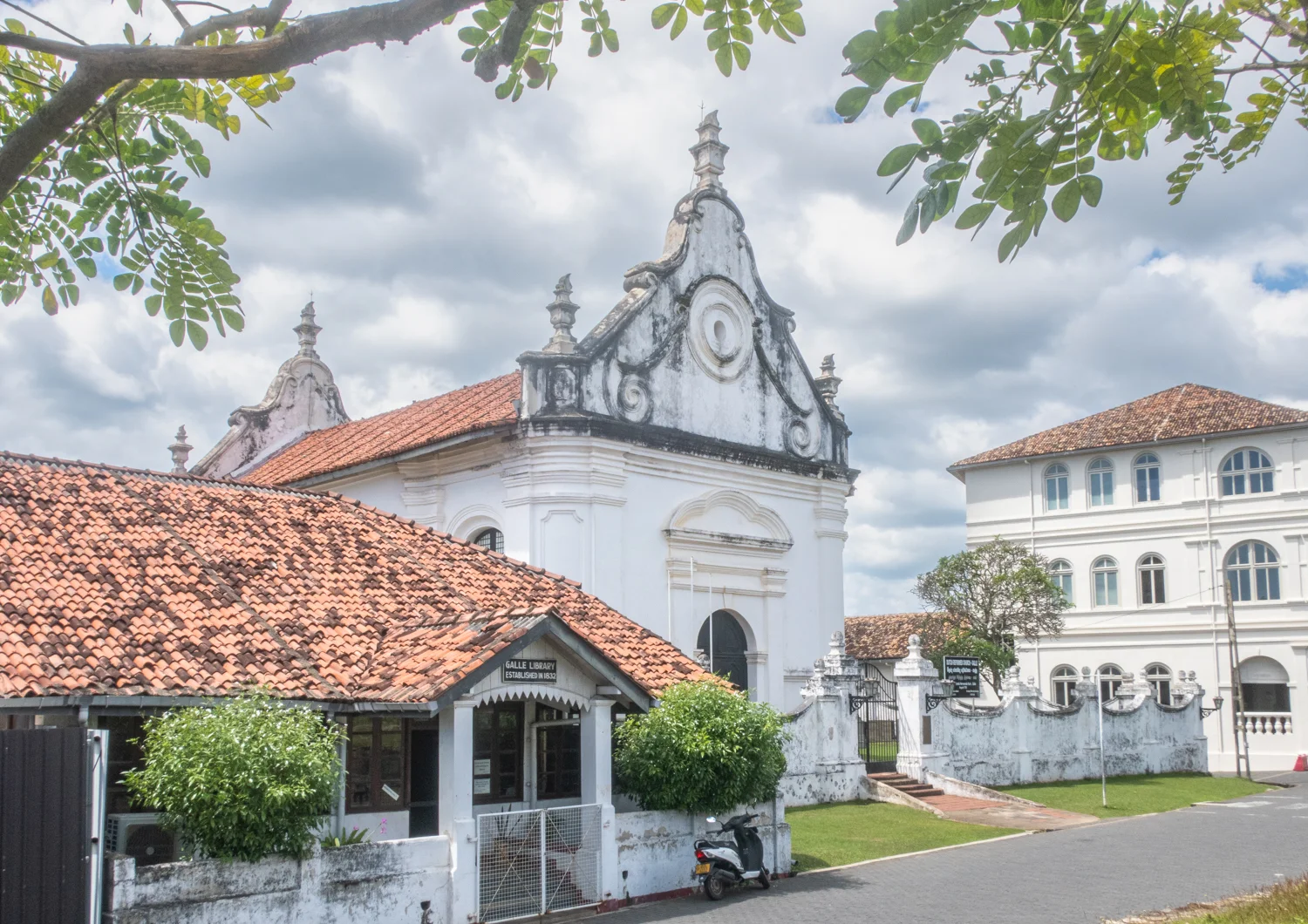
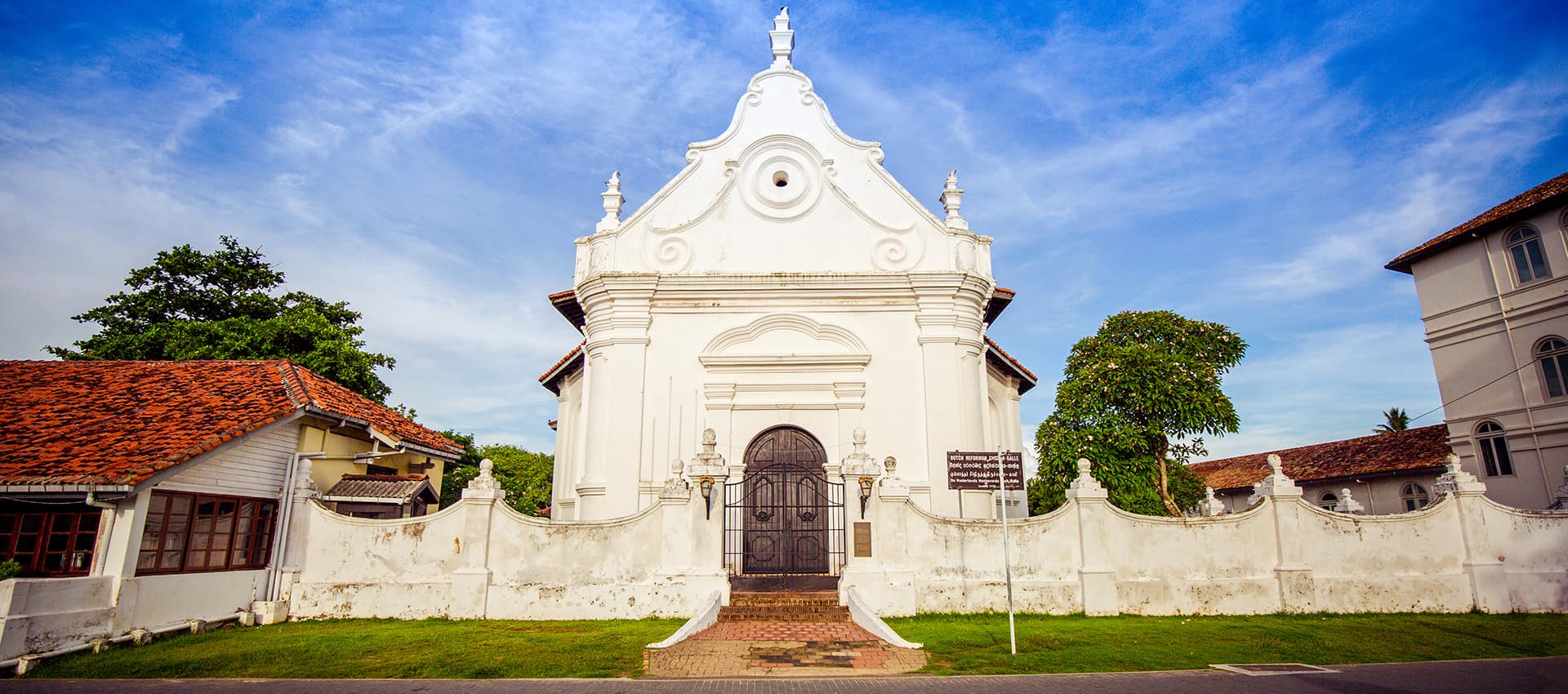
The Dutch were no strangers to building, and within the fortified peninsula of Galle they envisioned not just military bastions but also a house for God. Their earliest place of worship stood parallel to Kerk Street and Leyn Baan Street, though time erased its traces. What rose later was something far more enduring—the Groote Kerk, completed in August 1755, during the command of Casparus de Jong. The church, set on the highest point within the fort, was both practical and symbolic. It looked down on the town and the sea, reminding all who entered Galle Fort that faith was as central as trade or governance.
Tradition holds that the church was built as a gift of gratitude to God for the birth of de Jong’s daughter, Adriana Johanna. Its construction was not just an act of piety but also of permanence. Here, in this tropical outpost far from Holland, the Dutch sought to plant not just cinnamon and pepper but their Reformed faith. The walls, thick and whitewashed, reflected both European design and local adaptation. The high roof, massive gables, and cool interiors made it one of the most impressive churches in Asia.
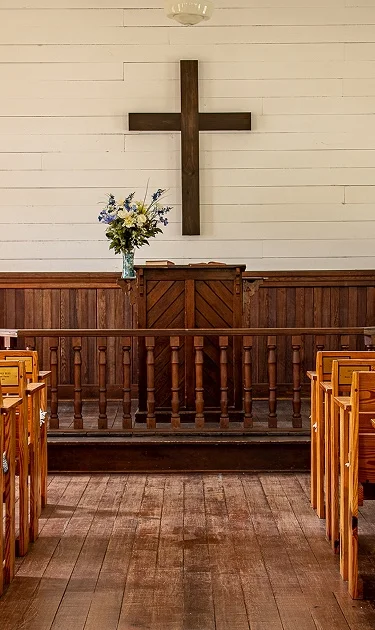
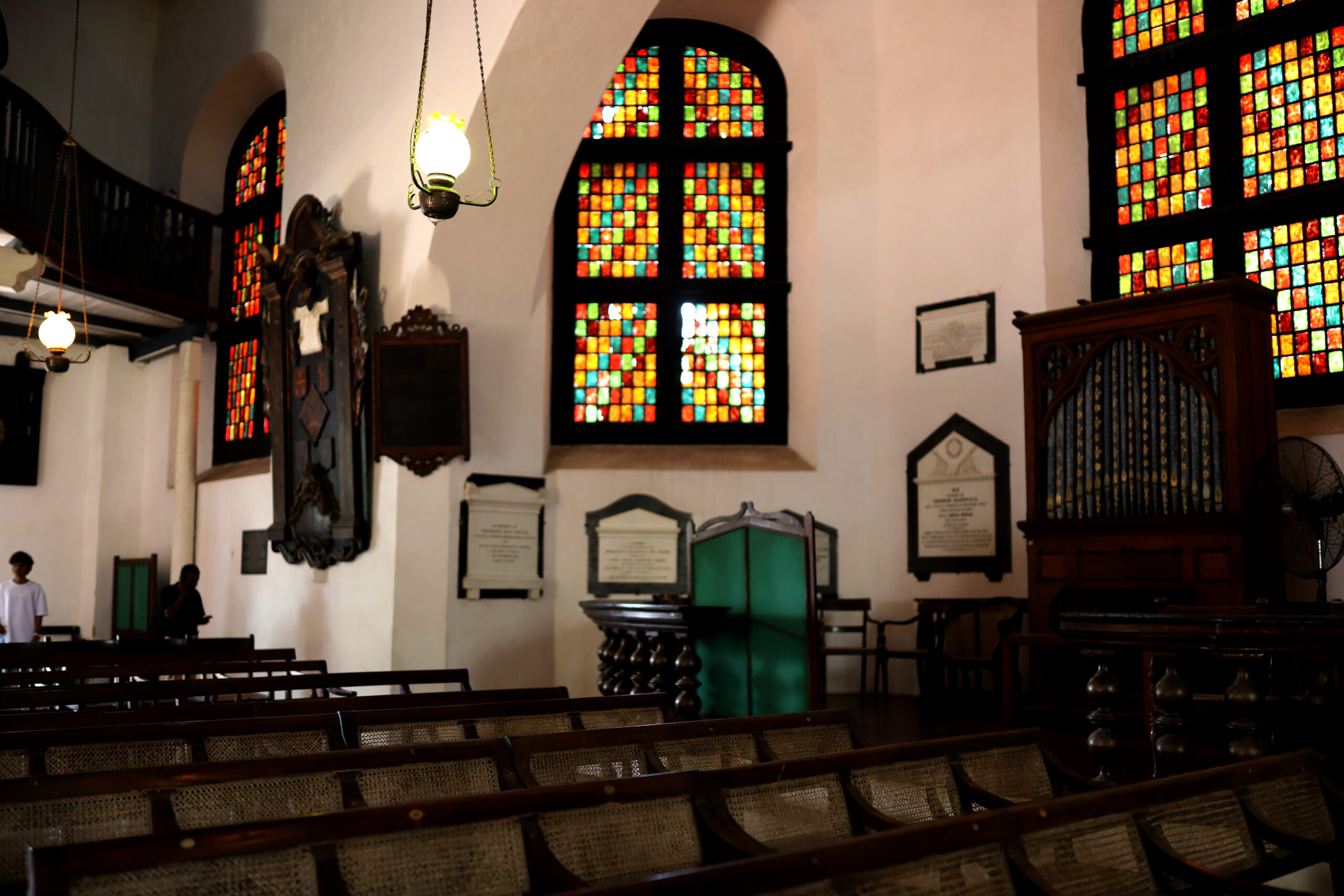
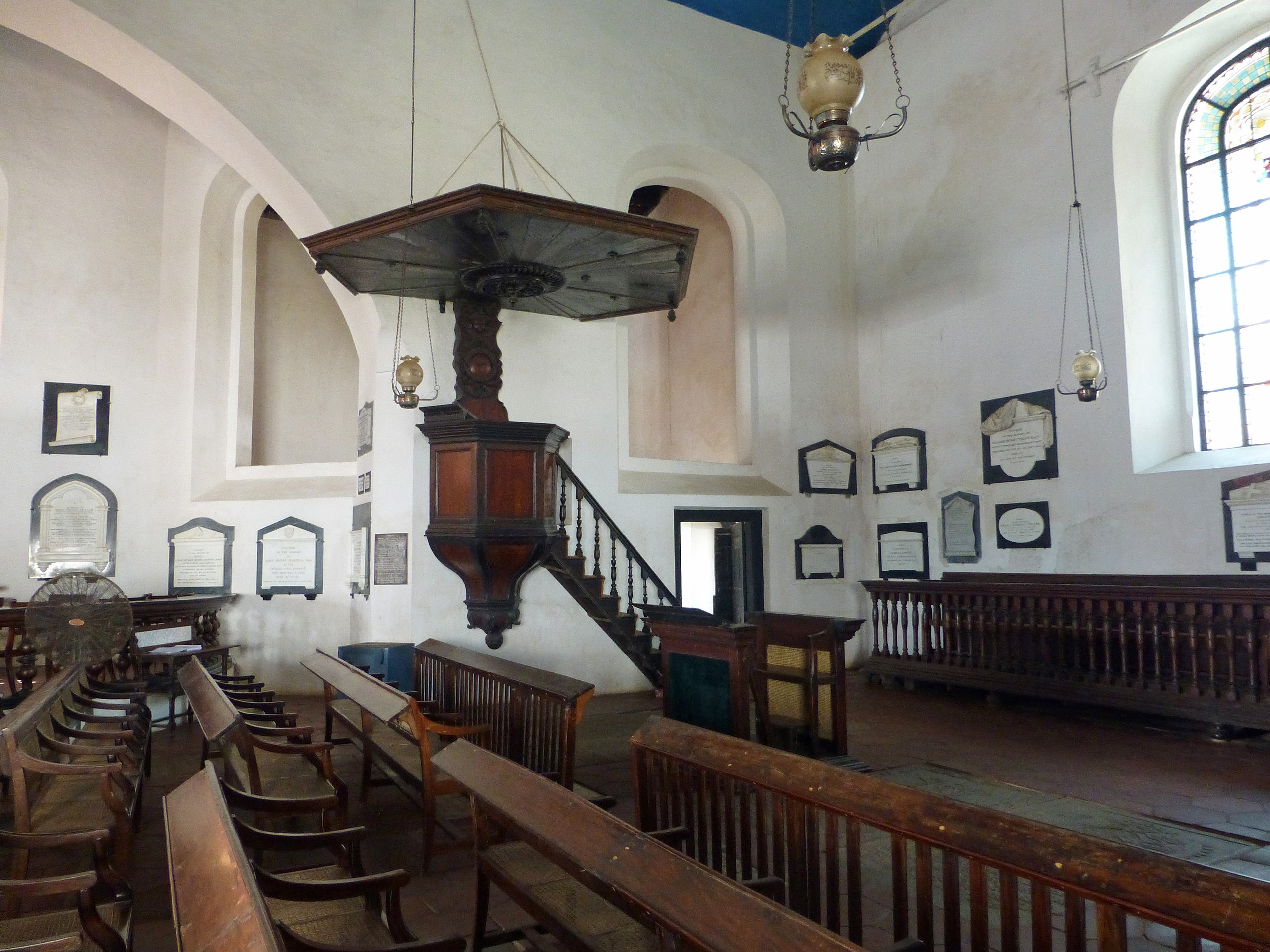
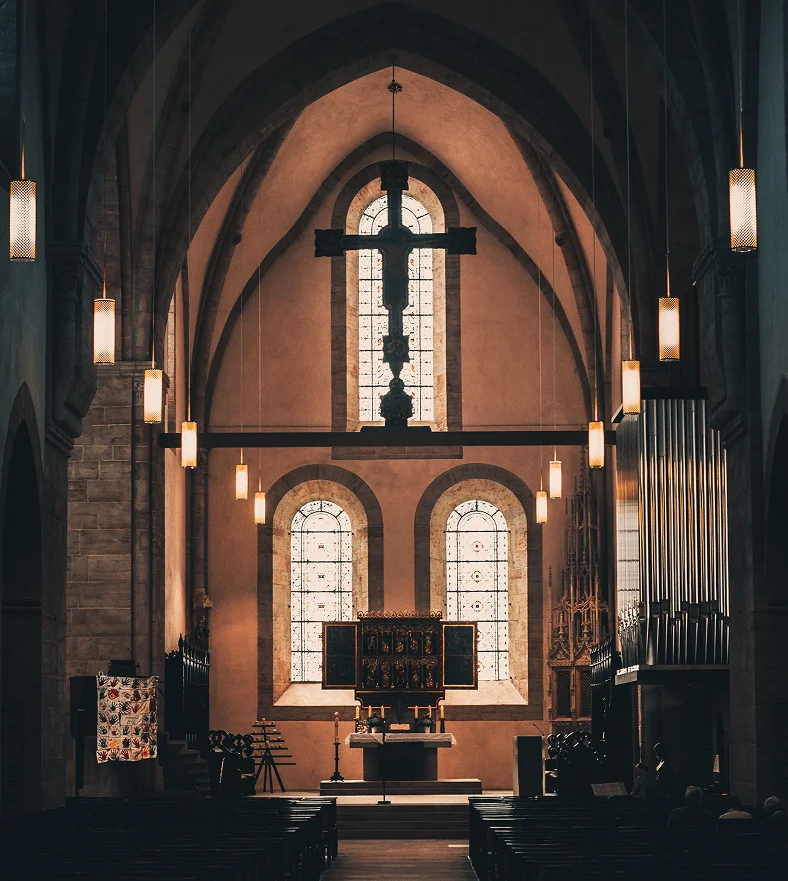
Inside, the church carried the marks of the Dutch spirit. The pulpit, crafted of seasoned oak and satinwood, stood high and proud, crowned with a sounding board suspended by iron rods. Communion rails bore the signs of Dutch artistry, while the pews for officers and commanders reflected a society still ordered by rank. Family crests and armorial tombstones embedded in the floor spoke of those who lived and died under the banner of the VOC.
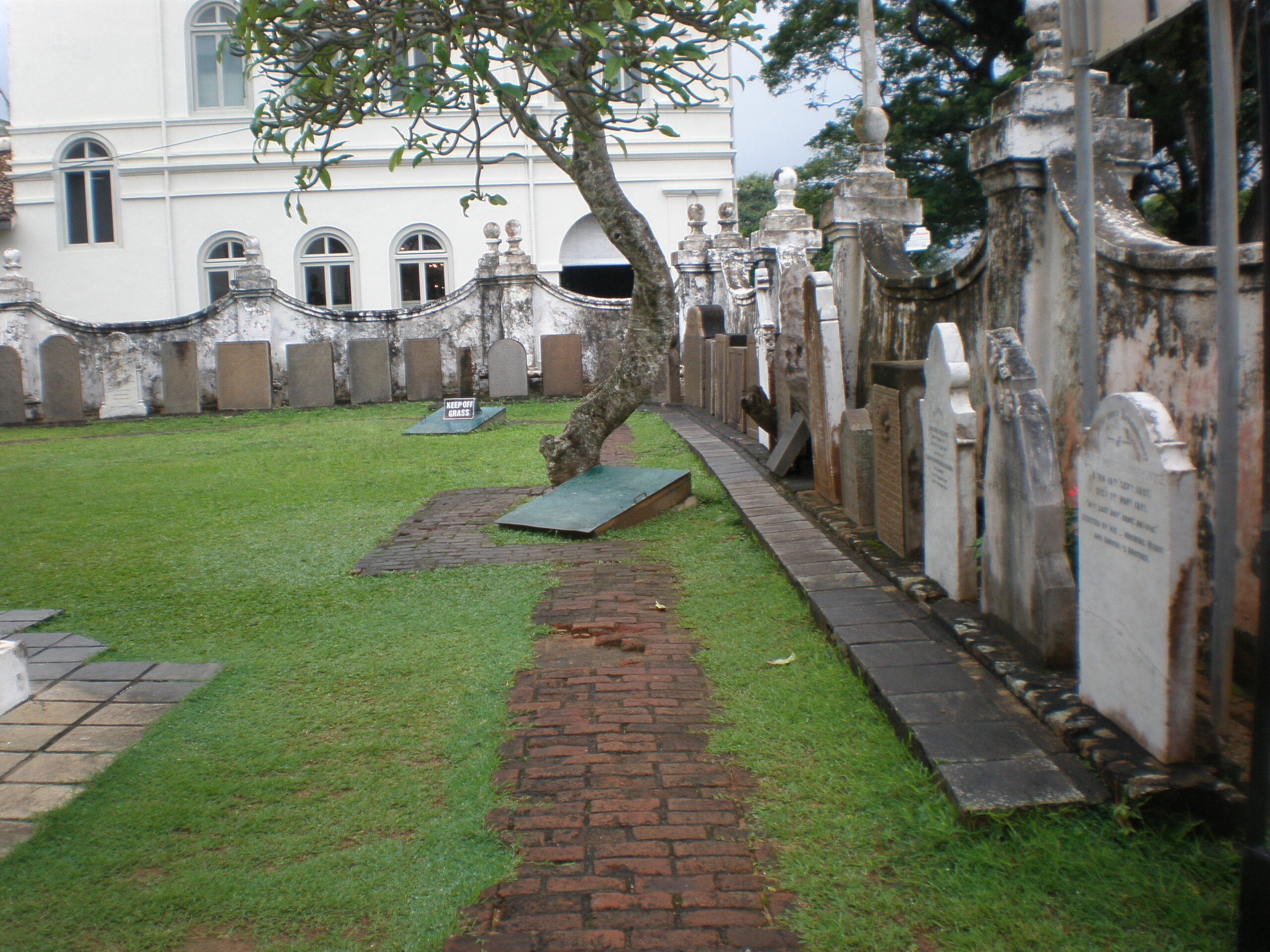
Beneath its floor and in its garden, many of Galle’s Dutch inhabitants were laid to rest. Tombstones from the old Dutch cemetery were transferred here in 1932 when the government acquired the land, making the church not only a house of prayer but also a repository of memory. The slabs, carved with coats of arms and inscriptions, told stories of sailors, merchants, governors, and their families. Even today, the church feels like a dialogue between the living and the dead—where the footsteps of worshippers’ echo over the names of centuries past.
The church, however, was not untouched by strife. During the British era, disputes arose between the Dutch Reformed Consistory and the Anglican clergy over the use of the building. For a time, Anglicans and Presbyterians also held services here, the pulpit shared and contested. In 1845, petitions were raised for a Presbyterian minister to serve Galle and Matara, reflecting the growing diversity of Protestant worship. At times, conflicts reached courtrooms, such as when Dr. Garstin prosecuted Rev. King Clark for disturbing a service by ringing the bell. These disputes, though bitter, ultimately underscored the church’s centrality to Galle’s religious life as it was too important to ignore.
Nature, too, tested the Groote Kerk as heavy rains in 1925 weakened its roof, forcing repairs and raising fears about the collapse of burial vaults beneath. Engineers confirmed their stability, but the restoration required great effort. Each storm that passed reminded the congregation that their faith, like their church, had to be continually rebuilt.
Despite challenges, the Groote Kerk endured. By the 20th century, it was celebrated as one of the oldest Protestant places of worship still in use in Sri Lanka. In August 1927, its 175th Anniversary was marked with a thanksgiving service, a reminder of its enduring witness. Renovations in later years restored its whitewashed walls, tall wooden doors, and elegant windows, allowing new generations to step into the same sacred space that sheltered Dutch burghers, colonial officers, and local Christians.
Today, the church is recognized not only as a functioning place of worship but also as an architectural and archaeological monument. Tourists who wander the streets of Galle Fort are often drawn to its solid yet graceful structure. They marvel at the old furniture, the organ loft, the Commandeur’s pew once draped in velvet, and the inscriptions in Latin and Dutch. Yet for the faithful, the Groote Kerk is more than history—it is home.
More than 270 years since its dedication, the Christian Reformed Church in Galle continues to serve its congregation. Its story is not just about colonial power or architecture, but about a community that has prayed, sung, mourned, and rejoiced here for generations.
The bell still tolls across the fort, mingling with the sound of waves on the ramparts and the chatter of the marketplace below. It is a reminder that empires may rise and fall, but faith endures. In every creaking pew and every inscription worn by time, the Christian Reformed Church in Galle stands as both monument and ministry—a fortress not only of stone but of the spirit.