In the early 1940s, when the world was caught in the turmoil of war, a quiet stirring began in the hearts of believers in Colombo’s suburbs. Members of the Christian Reformed Church in Wellawatte, who lived around Nugegoda and Kohuwala, longed for a closer place of worship. Traveling each week for services was no small task, yet their hunger for fellowship and the Word never waned. It was out of this longing that God planted a vision—one that would grow into the Christian Reformed Church, Kohuwala.
The vision began in 1942, under the leadership of Rev. D. E. Joseph and the Wellawatte church. He encouraged believers in the area to gather for worship in a more accessible place. With his guidance, and through the dedication of Brother C. E. P. De Silva, cottage meetings were started at his residence in Nugegoda. These meetings were modest: families sitting together, singing hymns, reading Scripture, and lifting prayers. Yet in that humble home, God was laying a foundation for a congregation that would one day bless generations.
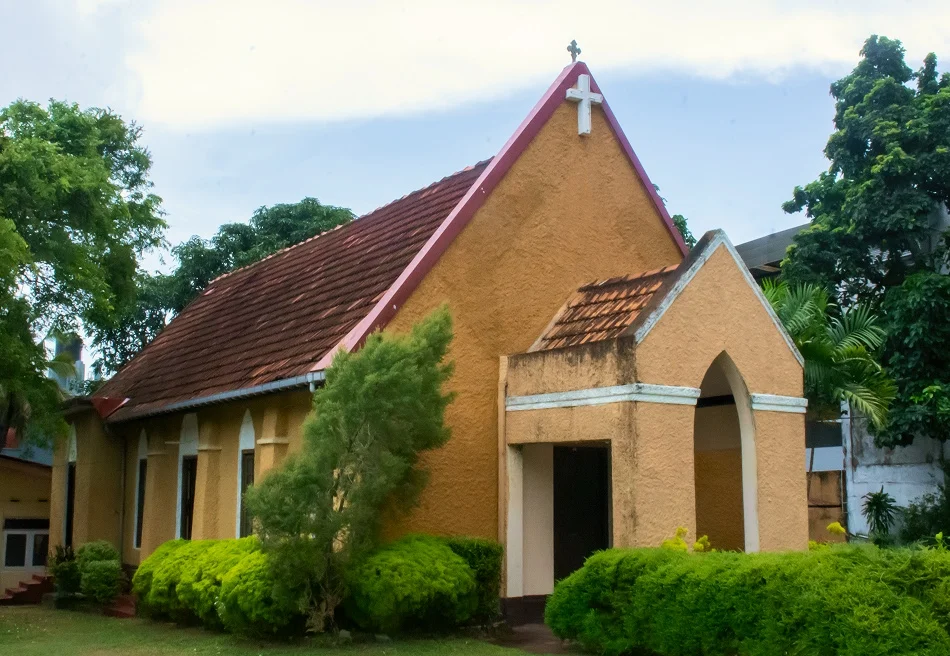
What began as a circle of faithful worshippers grew steadily. Word spread among families, children, and neighbors. The meetings became a spiritual anchor for families in the community, and the desire for a dedicated church building took root. Through prayer, sacrifice, and unity, their dream slowly became a reality. In 1950, just eight years after that first cottage meeting, the Kohuwala church building was dedicated. What had begun as a small gathering in a home had now blossomed into a permanent place of worship a testimony to God’s providence and the perseverance of His people.
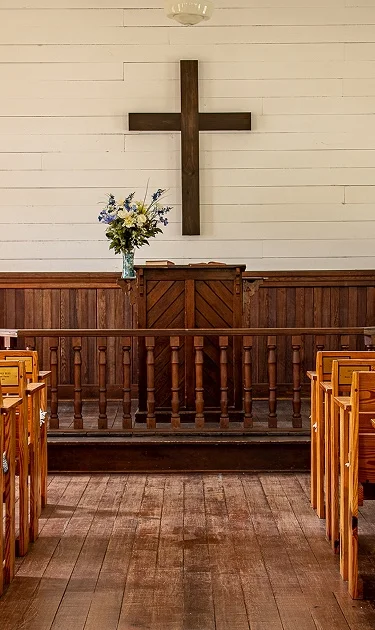
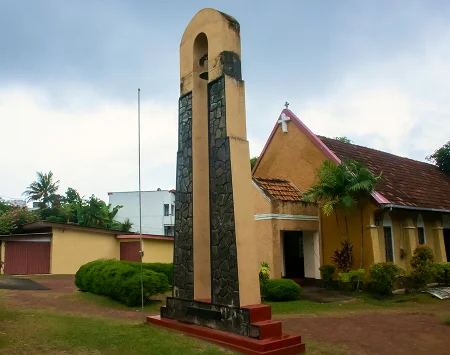
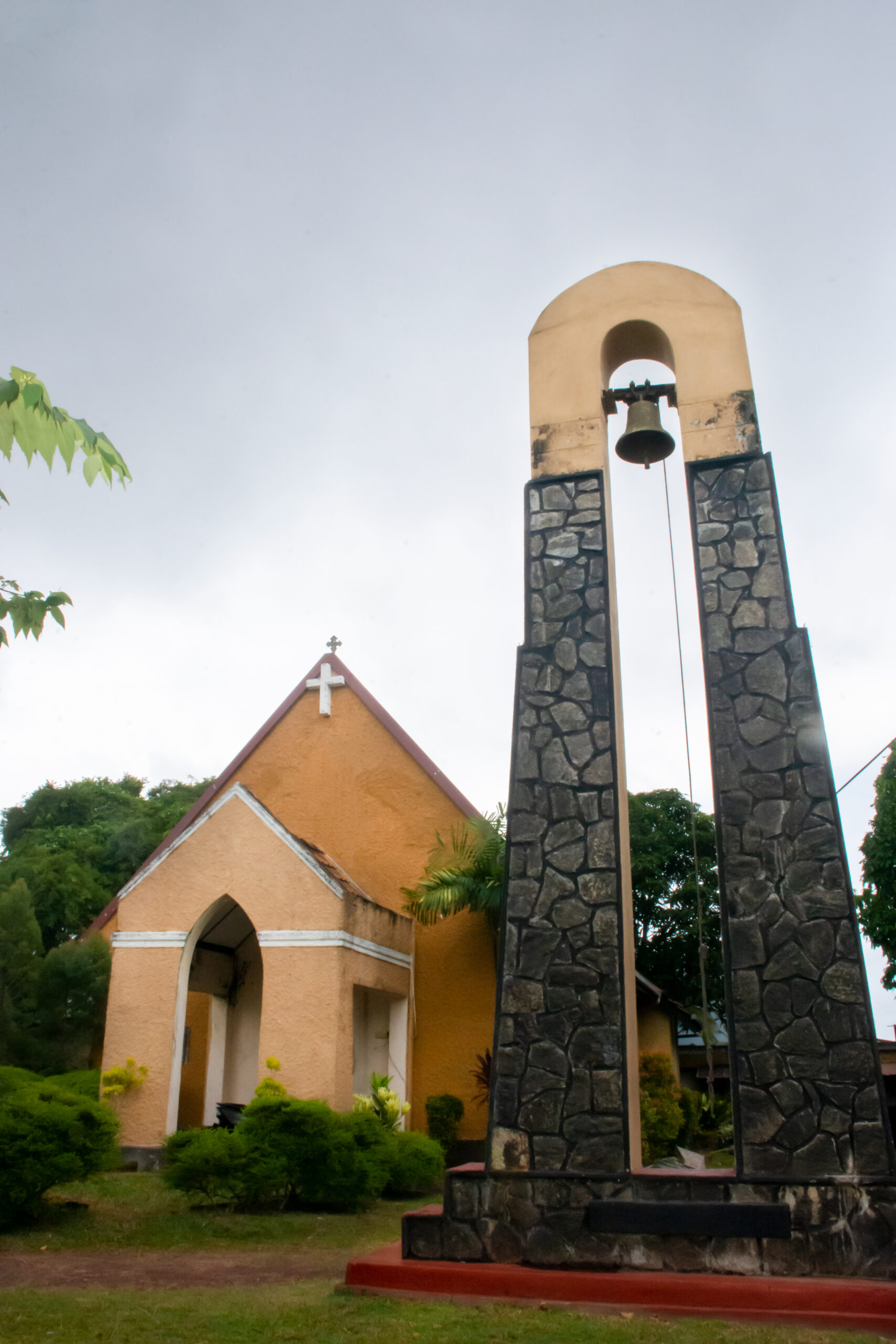
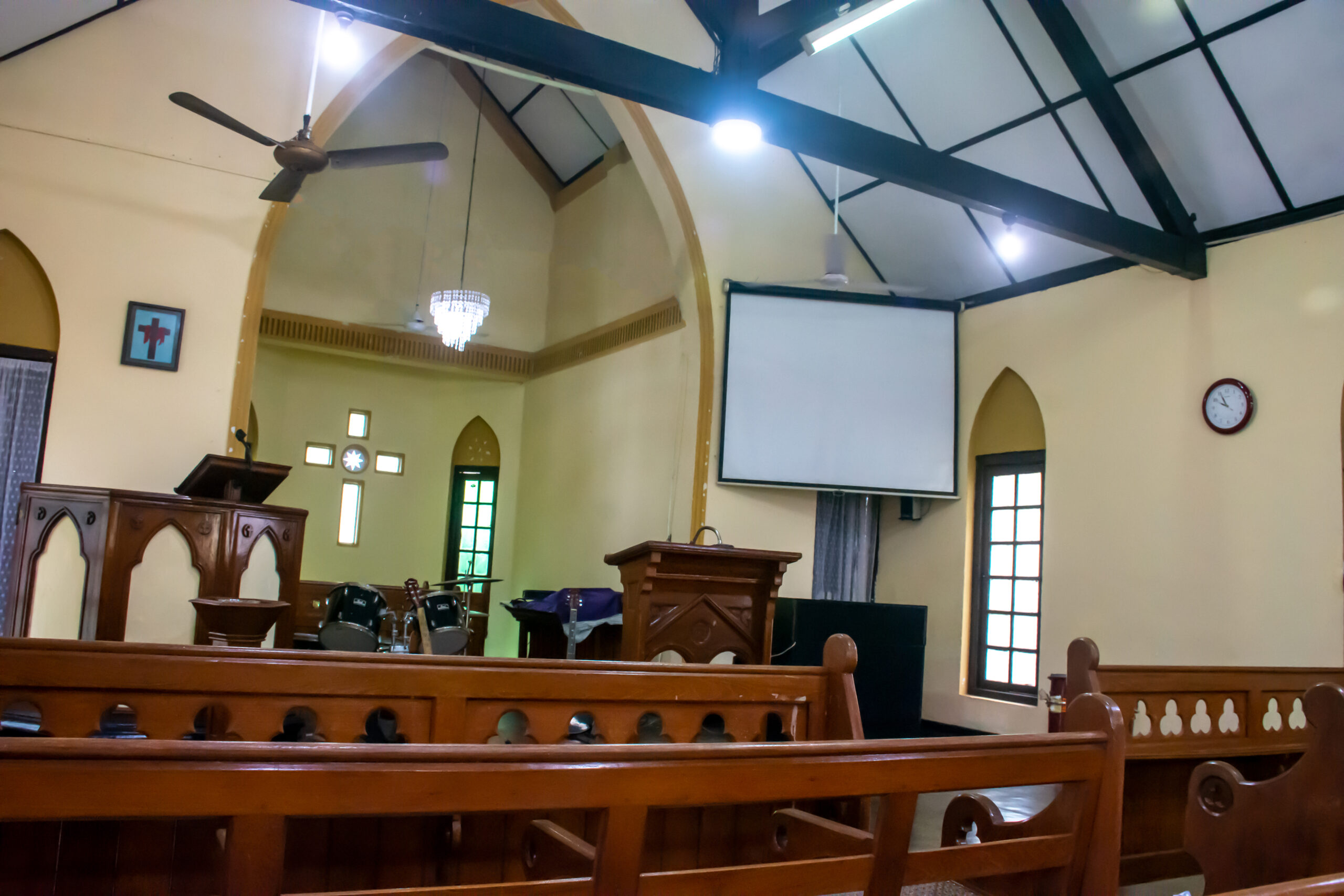
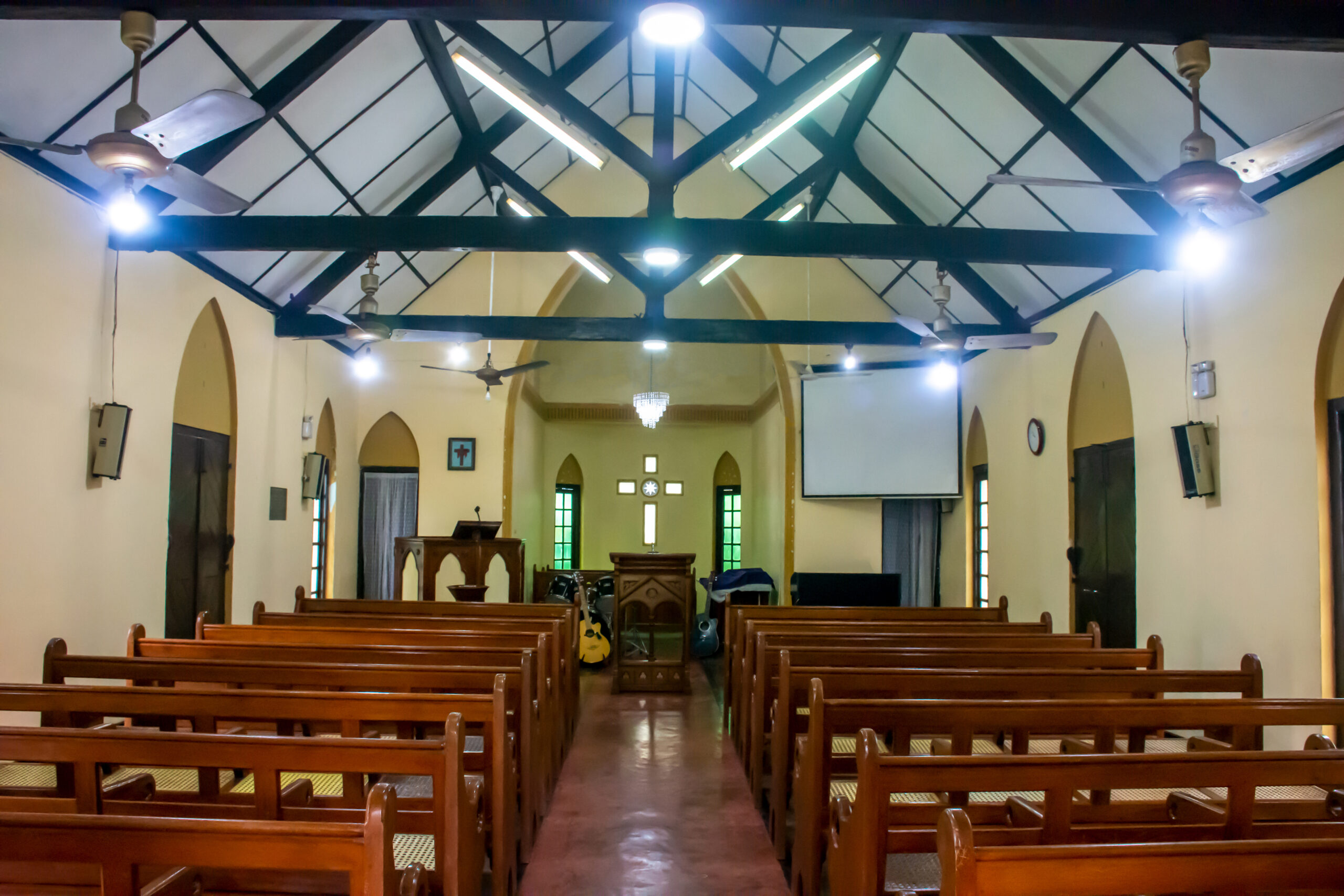
The new church soon blossomed into a vibrant center of worship and fellowship. Along with the main sanctuary, a fellowship hall was established, creating space for Sunday Schools, youth meetings, and social gatherings that strengthened the bonds within the community. A belfry rose alongside the church, its bell calling families to worship each Sunday, echoing across the surrounding area as a reminder of God’s presence.
At first, services were conducted only in English, reflecting the community at the time. But soon, the church embraced its wider calling. In 1953, Tamil services began, opening the doors to more families in the neighborhood. By 1959, Sinhala services were added, completing a tri-lingual witness that welcomed people of different cultures and languages into one fellowship. This unity in diversity became one of the church’s greatest strengths, showing that the Reformed faith was not confined by language or tradition but open to all who sought Christ.
Through the decades, the Kohuwala church became more than a building. It became a spiritual home. Children grew up in its Sunday Schools, youth found direction in its ministries, and elders shared wisdom in its fellowship. Weddings, baptisms, and anniversaries filled its halls with joy, while times of trial were met with prayer and solidarity. Even as the world outside changed, the church stood firm, adapting to new times but never losing sight of its foundation in the Gospel. What began as a humble cottage meeting now shines as a testament to what God can do when His people gather in faith.
Over the decades, the church has weathered challenges, embraced growth, and welcomed people of every background into its fellowship. Each season—whether of trial or triumph—has only deepened its witness as a beacon of faith in the community. Its walls echo with the prayers of those who came before, while its halls resound with the voices of children and youth who carry its legacy forward. Its story is one of God’s providence and enduring fellowship, a reminder that Christ Himself is the foundation on which it stands. As Kohuwala marks seventy-five years, the assurance remains clear: Christ continues to build His Church in every generation, and the light that began with a small gathering in a home now shines brighter than ever in the heart of the community.