At the gateway to ancient Ruhuna lies Matara, a town where history, myth, and the ocean meet. Its very name carries echoes of the past. Some say it is a mispronunciation of Matota by the Portuguese, who called it Mature. To travelers like Robert Knox in 1681, it was Matura, while to the Dutch and later the British, it was a vital outpost, both strategic and spiritual. It was here, in this coastal town bound by the Indian Ocean on the south and the bulging hills of Bulutota to the north that the Christian Reformed Church Matara, found its home. Its story is not merely about a building but about the interplay of empire, faith, and community resilience.
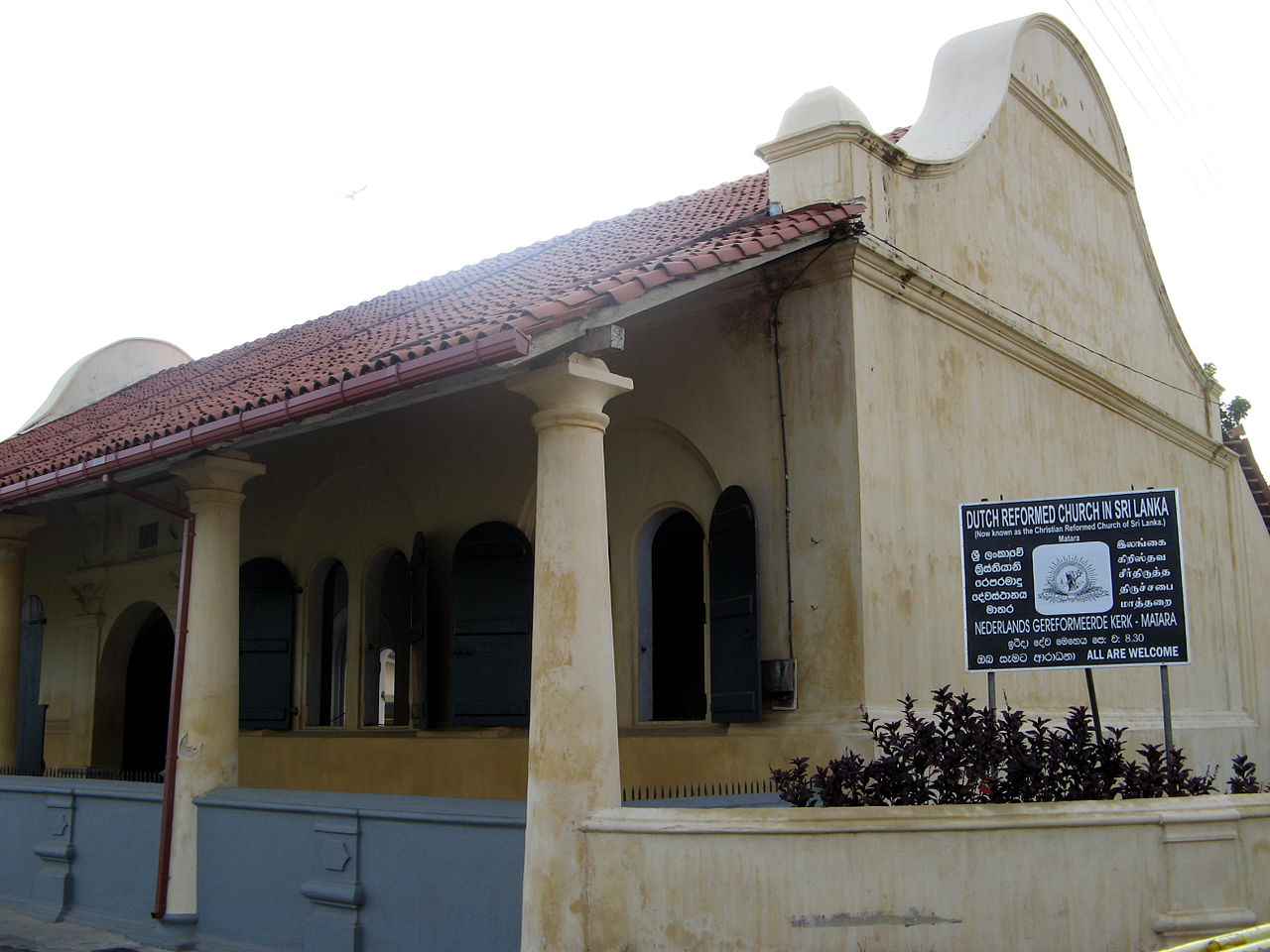
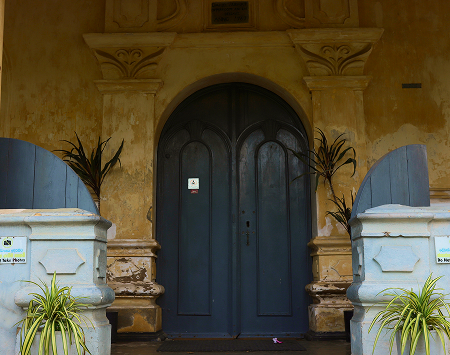
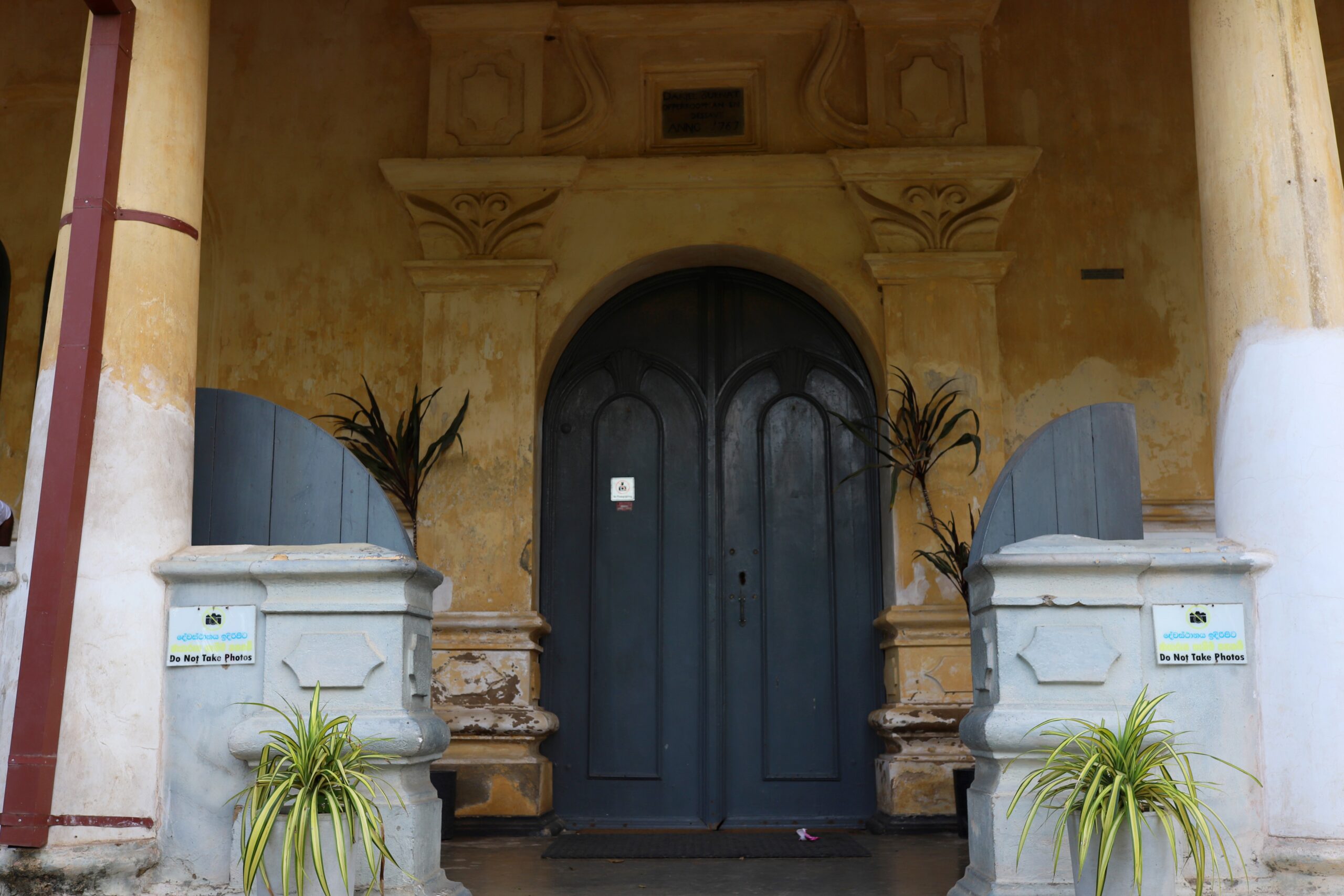
Matara town entered a new era after the Dutch arrived in 1639 and their eventual treaty control in 1640. Five years after capturing Galle, the Dutch fortified Matara. They built not only bastions of defense but also a church—a simple, unpretentious edifice that carried the spirit of the Reformed faith into the heart of the south. By 1706, according to the inscription once visible above its doorway, the church stood complete. With its plain walls, round-headed windows, and verandah supported by masonry pillars, it was a building that mirrored the Dutch penchant for simplicity and strength. Though lacking grandeur, it was sufficient to seat about 200 worshippers—a community of Burghers, officials, soldiers, and local converts.
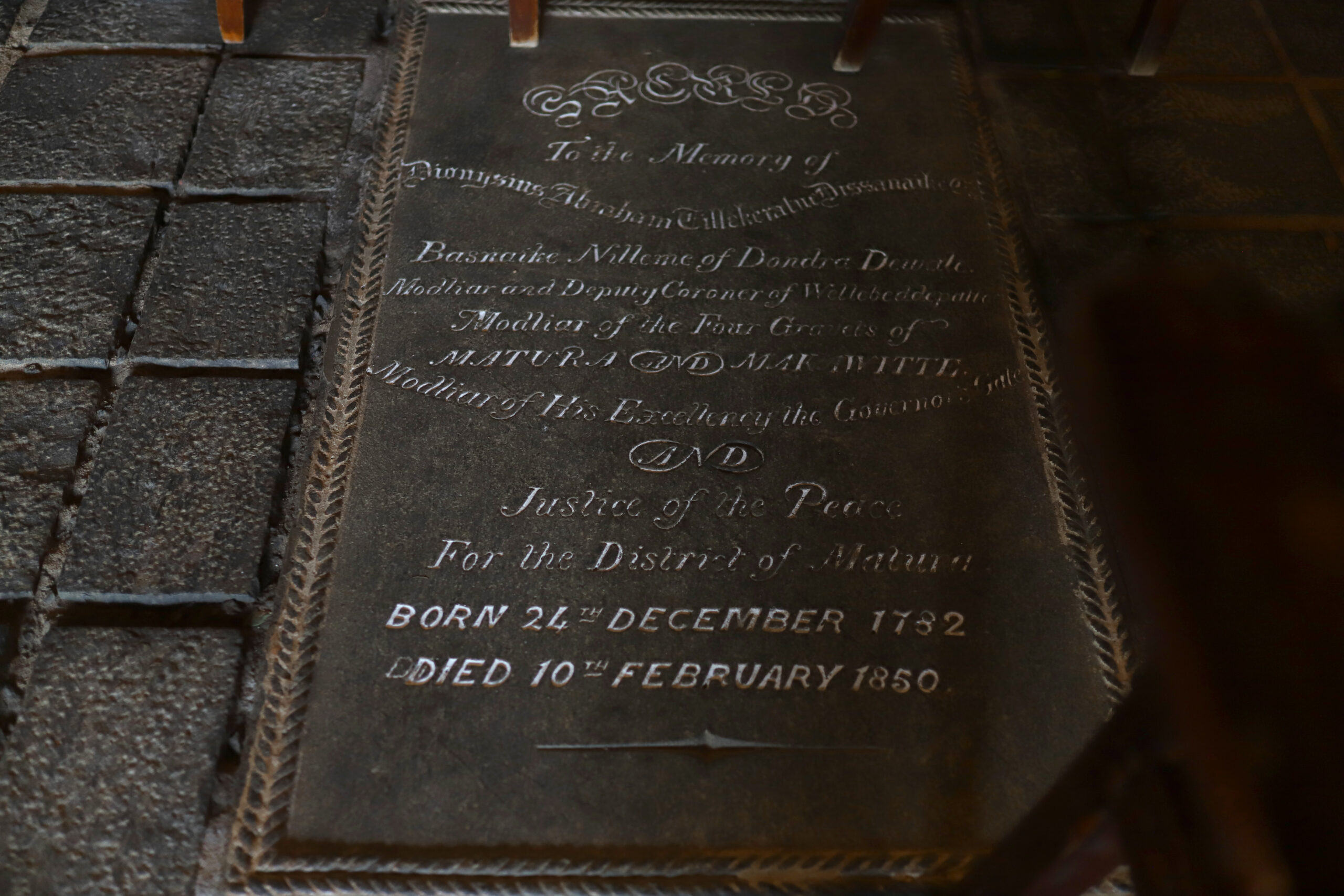
During times of hardship—be it the scarcity of the war years, the uncertainties of independence, or the devastation of natural disasters—the church became a shelter. Its doors were open not only to members but to the wider community. Relief was distributed, meals shared, and prayers lifted for those who had lost loved ones or livelihoods. In this way, the church became more than a symbol of faith; it was a lifeline of compassion and service. The Matara Church was more than a sanctuary of the living—it became a resting place for many who served and died in the south. Tombstones paved the floor, bearing the names of people who tied their destinies to this town. These stones spoke of lives interwoven with the fortunes of empire and faith.
Records of the earliest ministers are scant, yet fragments tell of devoted service. The first known minister was Eerwaarde H. Silvius, followed by others like J. Manger and F. W. Capelle, who shepherded the congregation through the late 18th century. In 1782, Eerwaarde H. E. Vanden Broek became the last Dutch minister. With the British takeover in 1796 and the withdrawal of Dutch support, the congregation faced uncertainty. Some left for Holland or Java; others gravitated toward Anglican or Methodist churches. Yet, a faithful remnant clung to the Reformed way. They were ministered to occasionally by pastors like Rev. J. D. Palm from Colombo, who traveled to Matara to baptize, solemnize marriages, and administer sacraments.
In 1847, Rev. J. King Clarke was appointed as minister over both Galle and Matara, showing how closely the two congregations were linked. For a time, “prelectors”—lay leaders who read sermons and prayers from books—kept the flame of worship alive when ordained ministers were lacking. By 1825, the church received new life when the colonial governor financed repairs and renovations. Its plain gables, once stark, were strengthened, and the building continued to be a center of worship.
In 1917, guided by the date on the old doorway, the Presbytery of Ceylon celebrated the 150th anniversary of the church. A grand Thanksgiving Service, social meeting, and the Lord’s Supper were held, led by Rev. G. Francke. The event was reported in The Herald, marking the occasion as not just a milestone in stone but a celebration of enduring faith. The communion plates used in these services bore Latin and Dutch inscriptions, some gifted by Commandeur Dedric Van Domburg of the 18th century. They linked the worship of Matara’s people with their forebears across centuries.
Few congregations in Sri Lanka have faced nature’s fury like those by the sea. Matara’s church stood steadfast through storms, relentless winds, and the 2004 tsunami that scarred the region. Though waves rose and lives were shattered, hope endured. The damaged church became a refuge for mourning and rebuilding, where lament turned into trust. Through faith and unity, the congregation rebuilt not just walls but spirits. Stories of those who found shelter within its walls remind all that God’s house is both protection and promise. Today, the church stands as a testimony of resilience and unwavering faith in Matara.
The church has also been a center of education and outreach. Sunday Schools, youth fellowships, and women’s guilds have worked tirelessly to nurture both spiritual and social life and mission projects reached into neighboring communities. To many in Matara, the church’s presence has been a reminder that faith must be lived out not only within walls but in acts of kindness and service.
Today, the Christian Reformed Church in Matara stands as one of the oldest Protestant landmarks in the south. Its architecture may appear plain yet dignified structure reflects the humility of a congregation that values faith over grandeur. For the people of Matara, the church is more than heritage. It is a symbol of survival through colonial struggles, local rebellions, and natural disasters. As waves rise and fall against Matara’s shores, the church remains—a steadfast testimony to God’s faithfulness, standing on the same ground where empires clashed, history unfolded, and faith endured.