The story of the Dutch Church now known as Christian Reformed church on Regent Street begins nearly a century ago, rooted in the bustling communities of Maradana and Borella with a quiet sentinel of history in the midst of the city’s restless rhythm. Its walls, worn yet dignified, carry the whispers of centuries, telling the story of faith, resilience, and community. In the late 1800s, families gathered at “Palm House” in Maligakanda for Sunday worship. As Colombo grew, so did the congregation. By 1914, the Maligakanda Church could no longer meet the needs of its worshippers. Rev. L. A. Joseph noted in the Herald that the building had become inadequate and inconvenient for the growing community. After much prayer and planning, the District Committee and Wolvendaal Consistory approved the purchase of land on Regent Street.
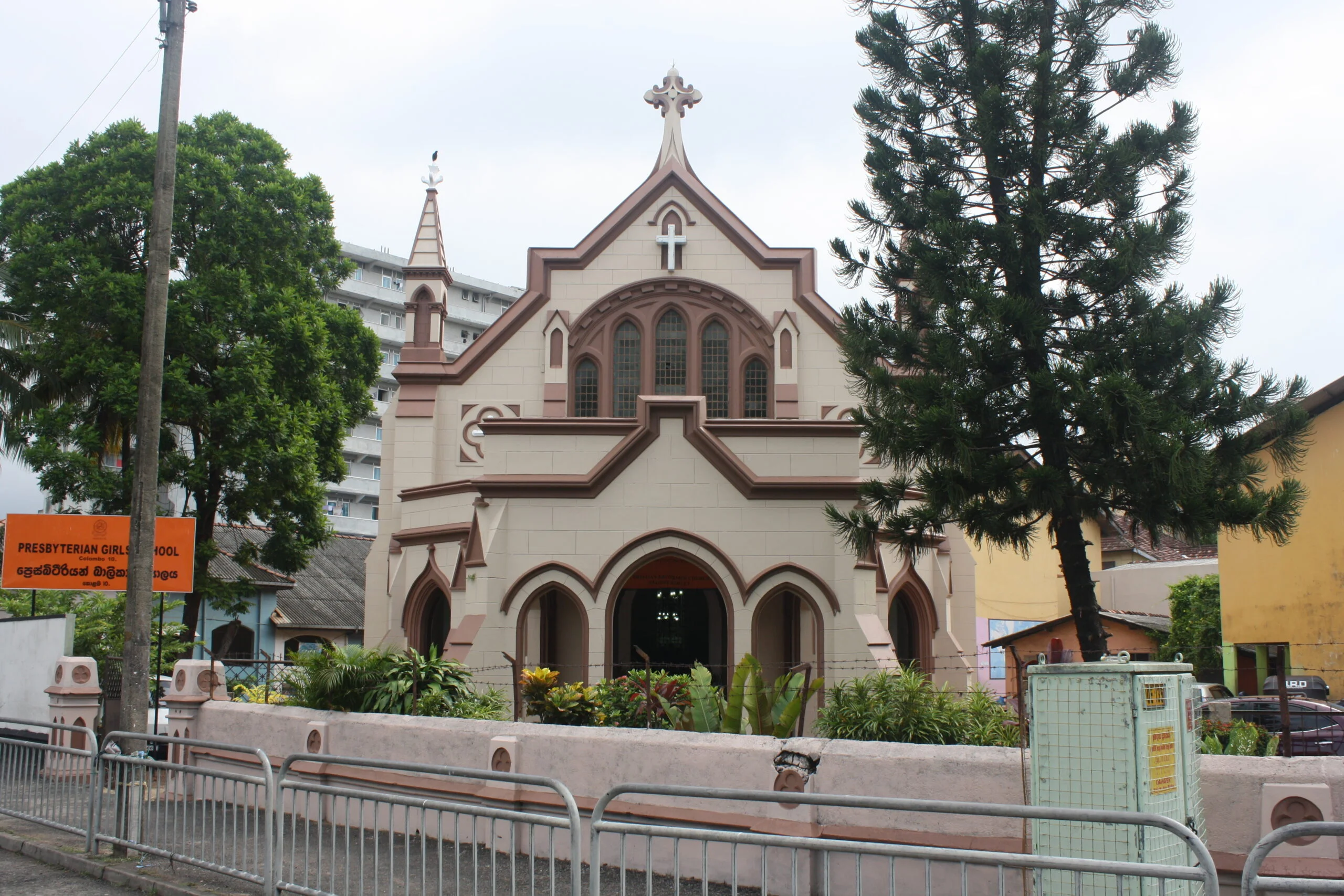
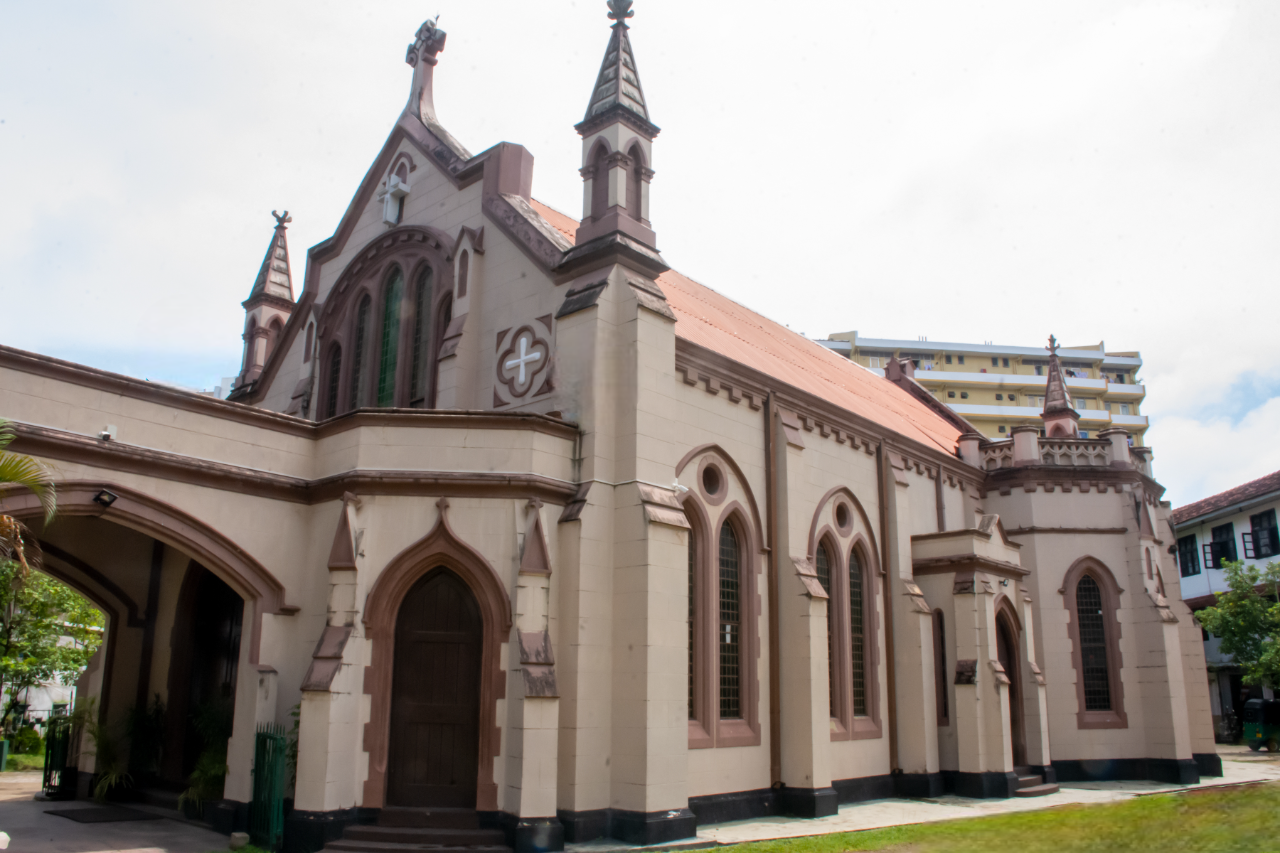
Construction of the new church began on December 1, 1914, and Just a year later, on December 22, 1915, the building was completed and dedicated to God. Built in the Romanesque style, it could seat 350 people and stood as a beacon of hope and unity. Ministers from across the island, including Rev. Joseph, Rev. Mac Michael, and Rev. Fleming, joined in the dedication. Rev. Joseph proclaimed: “This new Dutch Church, which is to take the place of the Maligakanda Church, is now ready for the sacred use of worship.”
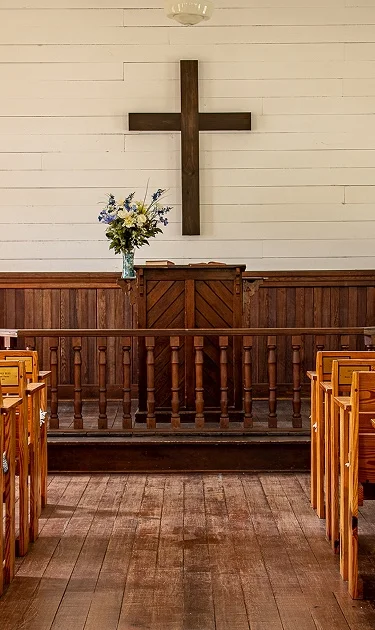
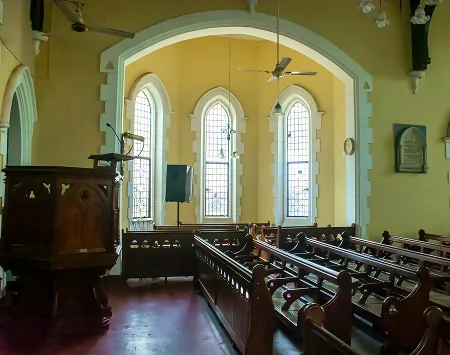
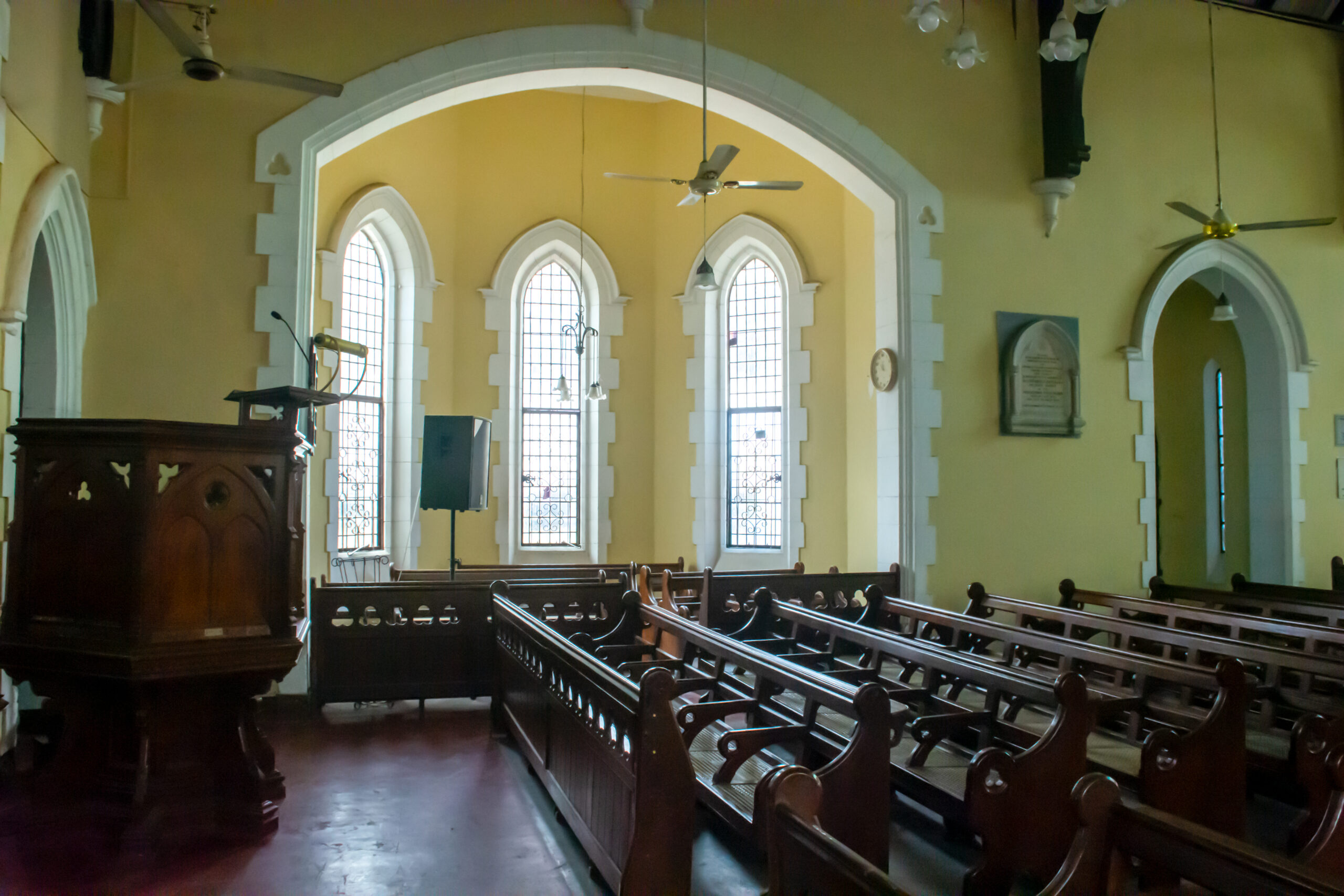
The new church was not just a structure—it became a labor of love. Members of the congregation contributed gifts that filled it with character and meaning: stained-glass windows, hymn boards, a baptismal font, memorial chairs, and even the pulpit. Each donation carried stories of families and individuals who longed to see God’s house flourish.
The Regent Street Church quickly grew into more than a worship center. A vibrant Sunday School was established in 1916, bringing in children from Maligakanda and Campbell Park. Rev. L. A. Joseph became its first Superintendent, guiding young hearts in the ways of faith. In 1917, Regent Street also formed its own Consistory, with Rev. D. E. Joseph as its first President.
Its legacy also lies in education and outreach. The Dutch Reformed tradition emphasized literacy and teaching, and the Regent Street Church played its part by nurturing generations through Sunday School and moral instruction. Leaders, teachers, and elders emerged from its pews, carrying forward values of discipline, service, and faith. To this day, its modest compound continues to remind visitors of those quiet seeds sown long ago.
Music, too, found its voice here. The grand pipe organ from Maligakanda was transferred in 1915 and served faithfully until the 1950s, when an electronic organ was installed, once again funded by the generosity of church members.
Through the decades, Regent Street became a hub of worship, education, and fellowship. It celebrated milestones like the Silver Jubilee in 1940 and the dedication of a new Parish Hall in 1961. Social gatherings, youth fellowships, and outreach programs added life to its walls, ensuring it remained a center of community as well as worship.
Today, amid the modern bustle of Regent Street, the church still stands with its presence been more spiritual than historical, a living testimony to a faith that endured across centuries and rulers. The Dutch Reformed Church, Regent Street, may not be the grandest of Colombo’s landmarks, but its story is woven deeply into the tapestry of the city. It embodies the perseverance of a community and the constancy of faith, echoing across generations with a gentle reminder: empires rise and fall, but the call to worship remains eternal.